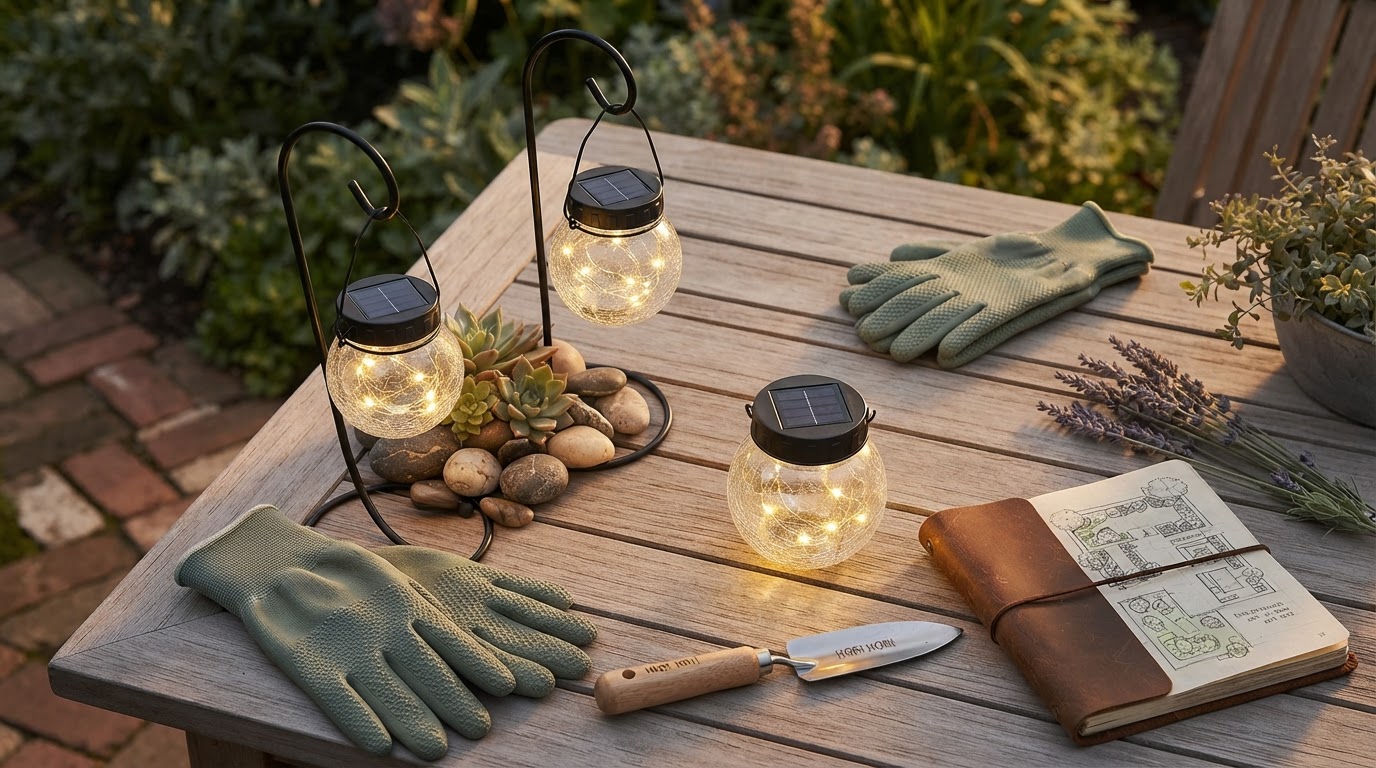
Placement Strategies for Solar Hanging Lantern Kits
 Sam VasquezBuying Guide Lead
August 17, 2026. This guide explores how to integrate solar lanterns with shepherd hooks into a functional landscape design. It is written for homeowners who want to define garden borders without the permanence of wired installations.
The Challenge of Elevating Landscape Lighting
Most homeowners start with standard ground-stake lights, but these often disappear into tall grass or get obscured by low-growing shrubs. The primary issue with ground-level solar lighting is the limited radius of illumination. When a light source is inches from the turf, the beam spread is narrow, creating hot spots rather than a soft, usable glow. According to Lumabase, a standard solar lantern with a shepherd's hook typically stands about 31 inches high, which significantly increases the light's footprint compared to flush-mount alternatives. This elevation is critical for visibility along walkways where safety is a concern. Many users struggle with outdoor waterproof solar lanterns that fail because they are placed too low, where moisture from dew and sprinklers is most concentrated. By using a hook, you elevate the fixture away from the dampest part of the ground, potentially extending the life of the internal battery and circuitry. Furthermore, the aesthetic benefit of hanging lights is hard to ignore. Pinterest users frequently share ideas for hanging solar lanterns on shepherd hooks to add vertical interest to flat flower beds. Without this height, a garden can look two-dimensional at night. The height of the hook also ensures the solar panel is less likely to be shaded by growing foliage, which is a common failure point for solar hanging lanterns for outdoors that rely on consistent UV exposure to stay lit through the night.
Practical Application of the Solar Hanging Lantern
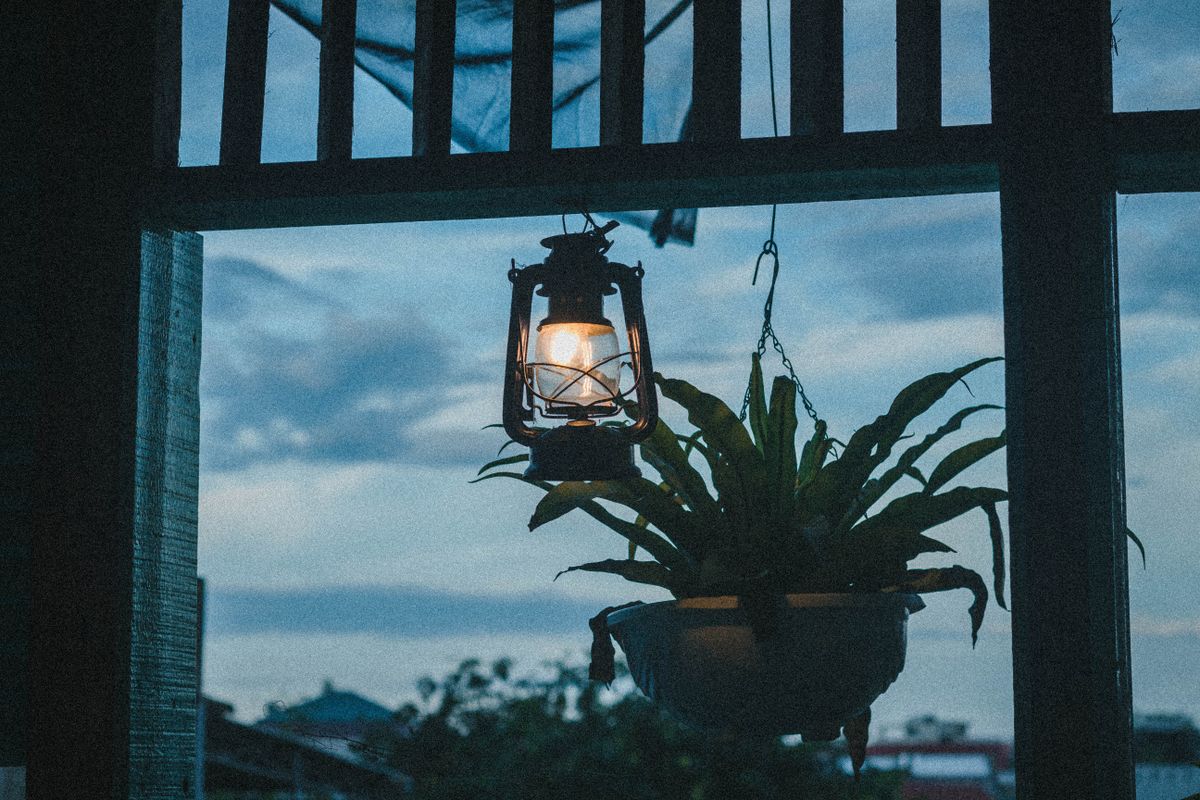
Photo by Nguyễn Chí Bảo on Pexels
When I look at the available hardware, the Solar Hanging Lantern system with a shepherd hook offers a specific set of benefits that separate it from tree-mounted options. These kits usually feature a removable hook, allowing the lantern to transition from a pathway marker to a tabletop piece. For instance, Outdoor Solar Outlet notes that their metal waterproof lanterns can be used as pathway lights or hung independently. This versatility is important because your lighting needs change with the seasons. In the summer, you might want them lining a path; in the winter, you might hang them from porch eaves. Between these two configurations, I’d go with the hook-mounted setup for primary navigation areas because it provides a consistent height that prevents tripping. If you are comparing this to large solar lanterns for patio table use, the hook version is much more resilient against wind. The weight of the lantern hanging from a curved arm creates a stable center of gravity that resists tipping better than a lantern simply sitting on a flat surface. However, you need to ensure the ground is soft enough to drive the stake in at least 6 to 8 inches for stability. If you're on a budget, buying a kit that includes both the lantern and the hook is almost always cheaper than sourcing them separately, as individual heavy-duty hooks can cost as much as the light itself. I've found that these elevated lanterns work best when spaced roughly 4 to 6 feet apart. Any further, and you lose the continuous line of sight; any closer, and the yard looks like an airport runway.
Selecting the Right Hook and Lantern Combination
Photo by 🇻🇳🇻🇳Nguyễn Tiến Thịnh 🇻🇳🇻🇳 on Pexels
Not all hooks are built the same, and the weight of your lantern dictates what you need. A glass lantern, like the ones featured in the My Home Set of 2 Solar Diamond Glass Lanterns demonstration, requires a hook with a deep crook to prevent the handle from sliding off during high winds. If you use a plastic lantern, a lightweight shepherd hook is sufficient, but metal or glass housings require a thicker gauge steel stake. Skip this if you live in an area with extremely rocky soil where driving a stake is impossible; in those cases, you are better off looking at solar hanging lanterns for outdoors that can be mounted to fences or walls. When evaluating a kit, check the height after installation. A 31-inch hook usually loses 6-9 inches once it is in the ground, leaving the lantern hanging at about 2 feet. This is the sweet spot for illuminating paths without blinding guests. Here’s what I’d actually buy: a metal-housed lantern with an IP65 waterproof rating and a powder-coated steel hook. This combination handles the weight of the battery and glass without sagging over time. Before you commit to a full set, consider these factors:
- Hook Gauge: Ensure the metal is at least 5mm thick to prevent bending under the weight of the lantern.
- Panel Placement: The lantern must hang in a way that the top-mounted solar panel isn't shaded by the hook's own arm.
- Battery Access: Choose models where the battery compartment is accessible for replacement, as even the best solar cells outlast their batteries.
- Ground Depth: Look for hooks with an 'h-stake' base (two prongs) rather than a single spike for better lateral stability.
- Lumens: For pathway safety, aim for at least 10-15 lumens per lantern; decorative models often fall below 5 lumens.