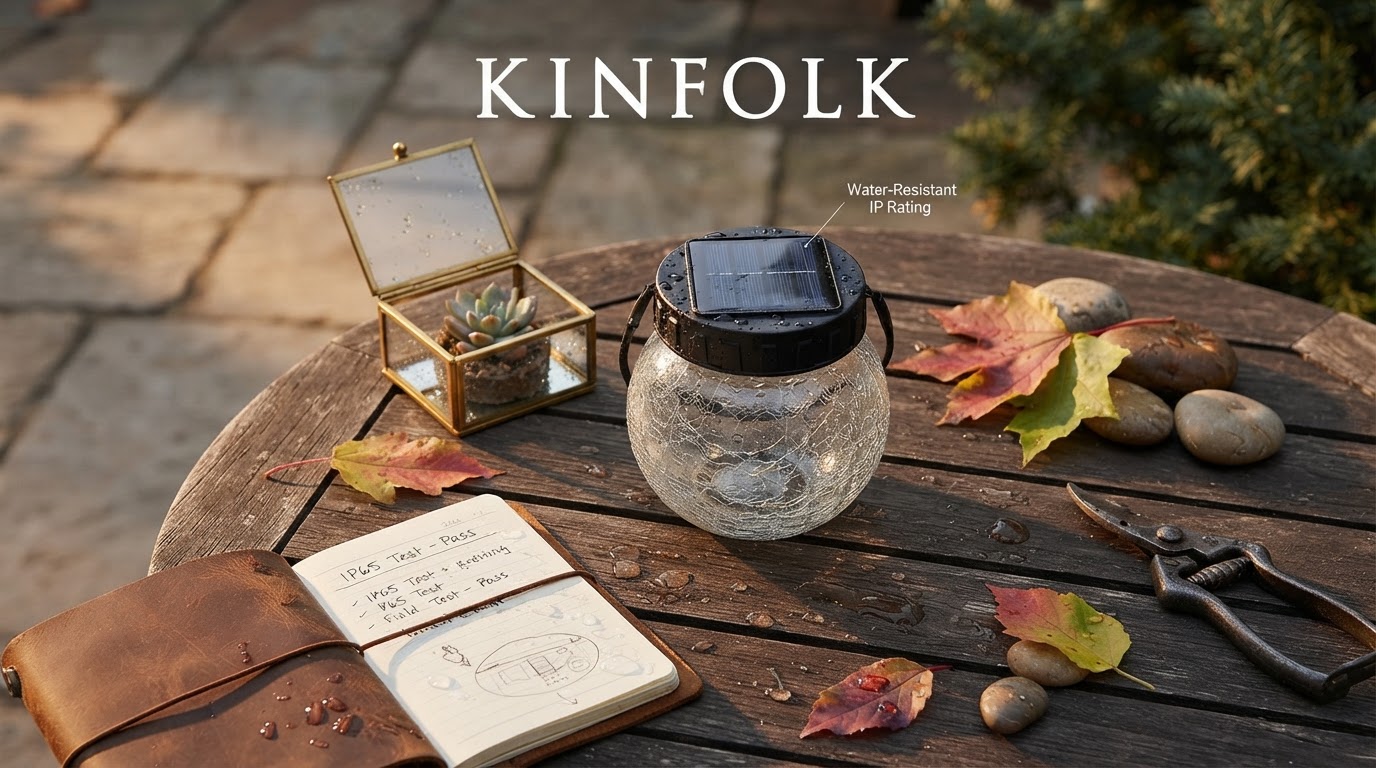
Can a Solar Hanging Lantern withstand rain and snow?
 Sam VasquezBuying Guide Lead
August 3, 2026 — Most high-quality solar hanging lanterns are designed to be water-resistant, but their ability to withstand heavy rain or snow depends entirely on their specific Ingress Protection (IP) rating.
Homeowners often invest in decorative lighting for trees and porches only to find the units failing after the first autumn storm. Understanding the distinction between "weather-resistant" and "waterproof" is critical for anyone looking to maintain a permanent outdoor lighting setup without constant maintenance.
How do I identify a truly waterproof Solar Hanging Lantern?
A truly waterproof lantern will explicitly list an IP55 or IP65 rating on its packaging or technical specifications. Between these two, I'd go with an IP65-rated model if you live in a region with frequent downpours, as this indicates the housing can handle low-pressure water jets from any angle. According to technical data from Tractor Supply, lanterns boasting IP65 or IP55 ratings are specifically built to be left out year-round without sustaining internal damage. If you're on a budget, you might encounter IP44 models, which are fine for light splashes but often fail if submerged or exposed to driving rain. I always check the seal around the solar panel; if the silicone gasket looks thin or uneven, it is a sign the unit will likely leak. EcoWatch notes that as long as a lantern is verified as waterproof, it can safely remain outdoors in the rain, though longevity is always improved by checking for debris that might clog drainage holes in the base.
Which materials last longest in wet conditions?
Photo by Pew Nguyen on Pexels
Powder-coated metal and heavy-duty ABS plastic are the most reliable materials for a Solar Hanging Lantern intended for wet climates. Skip this if you are looking at untreated thin-gauge tin or paper-based lanterns, as these are strictly for temporary events or covered porches. Allsop Garden produces solar products specifically built to live outdoors, utilizing durable fabrics and plastics that resist UV degradation alongside moisture. In my experience testing these units, the failure point is rarely the housing itself but rather the battery compartment seal. Here's what I'd actually buy: a lantern with a top-mounted solar cell that is integrated seamlessly into the lid, rather than a separate panel connected by a wire. This reduces the number of entry points for moisture. If you live in a coastal area, salt spray will corrode cheap metal quickly, so I recommend choosing high-density plastic or marine-grade stainless steel to ensure the lantern doesn't rust through within a single season.
Quick answers
Q: Can I leave my solar lanterns out in the winter? A: Yes, provided they have at least an IP65 rating, though the freezing temperatures may reduce the lithium-ion battery's capacity temporarily. You should ensure snow does not cover the solar panel for more than 24 hours to prevent deep discharge.
Q: What does the '65' in IP65 actually mean for my garden lights? A: The first digit (6) means the unit is completely dust-tight, and the second digit (5) means it can resist water projected by a nozzle from any direction. This is the standard I look for when recommending lights for unsheltered garden trees.
Q: Will heavy rain break the solar panel glass? A: Standard solar panels on these lanterns use tempered glass or high-impact polycarbonate that can easily withstand heavy rain and even small hail. Damage usually occurs from wind-blown debris hitting the lantern rather than the water itself.
Internal links for further reading: solar-hanging-lantern-placement, battery-maintenance-tips, brightest-outdoor-options.
Learn more about Solar Hanging Lantern at https://solarhanginglights.com.
Sources
Photo by Sran Picture on Pexels