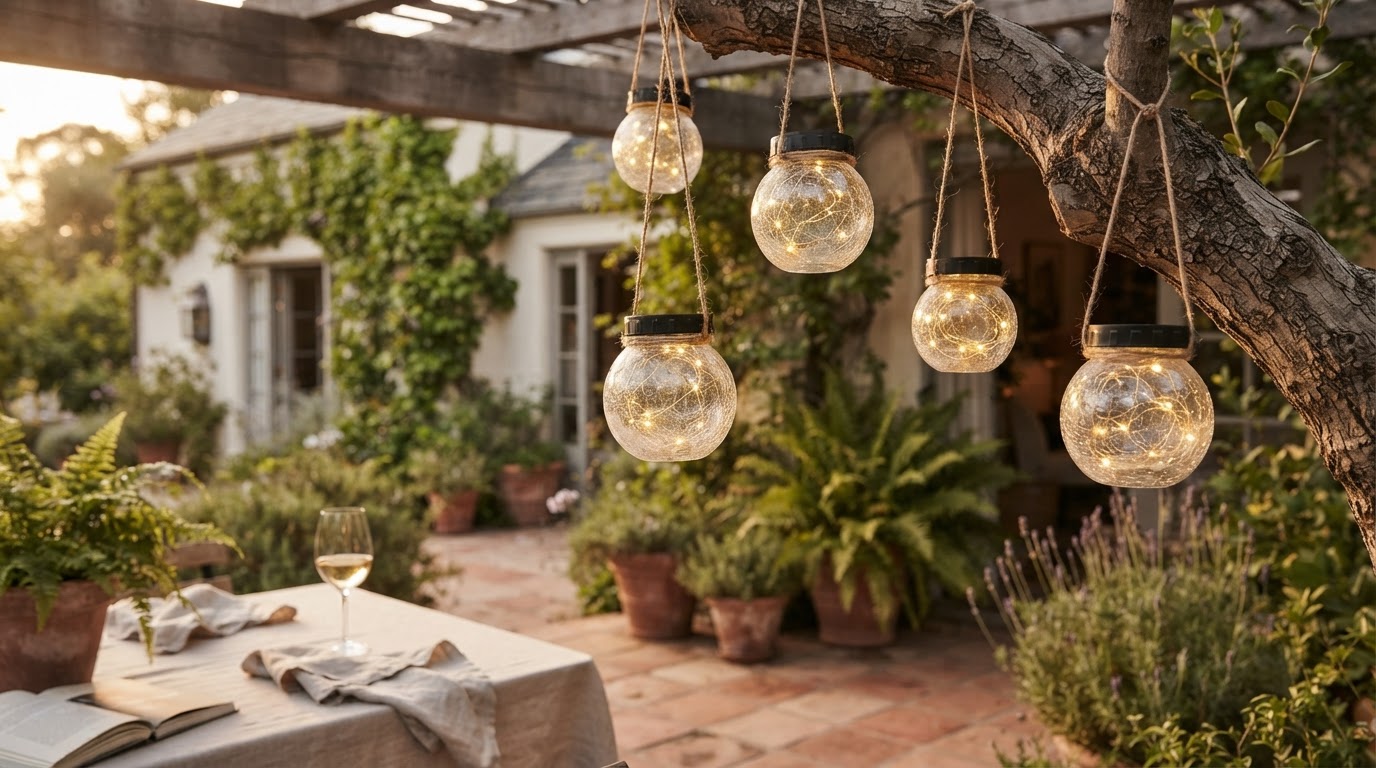
Are Outdoor Waterproof Solar Hanging Lanterns Reliable?
 Maya ChenContributing Editor
August 19, 2026 — While consumer demand for waterproof solar hanging lanterns is at an all-time high, true reliability depends entirely on specific Ingress Protection (IP) ratings rather than generic marketing claims of weather resistance.
Homeowners frequently search for decorative lighting that can withstand heavy rain or snow without short-circuiting. The conventional wisdom says that any light labeled for outdoor use is inherently durable, but technical failures often occur because users conflate 'water-resistant' with 'waterproof.' Understanding the engineering behind these seals is critical for long-term garden placement.
What IP rating is required for a Solar Hanging Lantern?
A Solar Hanging Lantern requires a minimum rating of IP44 for basic splash protection, though IP65 is the necessary threshold for true waterproof performance against jetting water and heavy downpours. The conventional wisdom says that a simple plastic housing is sufficient, but data from Tractor Supply suggests that durability is only guaranteed when lanterns boast IP65 or IP55 ratings, which allow them to remain outdoors year-round. These ratings indicate the enclosure's ability to prevent dust ingress and water penetration under pressure. Run the math: a lantern rated at IP44 is only tested against light splashes from any angle, which frequently fails during wind-driven rainstorms common in coastal or temperate climates. For those utilizing solar lanterns for outdoors, checking the specific numerical code on the packaging is the only way to verify if the internal circuitry is actually shielded from moisture-induced corrosion.
How does moisture impact the lifespan of solar lanterns?
Photo by Jimmy Liao on Pexels
Moisture ingress typically causes catastrophic failure in solar lanterns through battery terminal oxidation and PCB corrosion rather than immediate bulb failure. Here’s the part nobody talks about: even high-end lanterns can succumb to internal condensation if the thermal expansion of the housing creates micro-gaps in the seals. According to industry leader Allsop Garden, solar products must be specifically built to live outdoors to avoid the rapid degradation of decorative elements and electrical components. When these units are placed on a solar lantern with shepherd hook guide, they are exposed to 360-degree weather patterns, unlike wall-mounted units that receive partial shielding. I’ll change my mind when manufacturers move away from glued seams toward integrated silicone gaskets as a universal standard. Until then, the lifespan of a waterproof lantern is dictated by the integrity of its battery compartment seal, which must be inspected annually for dry rot or cracking to maintain its rated protection level.
Quick answers
Q: Can solar lanterns stay outside in the rain? A: Yes, provided they have a verified rating of IP65, which protects against heavy rain; however, units with lower ratings should be moved during extreme storms. Allsop Garden designs their solar lanterns specifically for permanent outdoor installation to handle varying weather conditions.
Q: What is the difference between IP44 and IP65 for solar lights? A: IP44 protects against solid objects over 1mm and water splashes, while IP65 offers total dust protection and resistance to low-pressure water jets. This distinction is vital when choosing large solar lanterns for patio table use, as table-top units often have less robust drainage than hanging versions.
Q: Are there shatterproof waterproof solar lanterns available? A: Yes, certain models like the PackLite Nova offer a 75-lumen output and are rated as waterproof, shatterproof, and dustproof according to Ecowatch. These collapsible designs use specialized materials to maintain seal integrity even after repeated physical impacts.
Learn more about Solar Hanging Lantern at https://solarhanginglights.com.
Sources
Photo by Jorge Luis Acasiete Conza on Pexels