KOOPER Hummingbird Lantern Deal vs Solar Hanging Lantern
 Priya RamanSenior Analyst
September 29, 2026 — Consumers are currently evaluating a significant price drop on KOOPER Hummingbird Hanging Solar Lanterns, which have reached a new low at Amazon. This market shift occurs as homeowners prioritize energy-efficient outdoor decor for gardens and walkways during the fall season.
To evaluate the value of these decorative units, we must look beyond the aesthetic. Think of it as a matrix of two primary dimensions: Energy Conversion Efficiency and Material Durability. Two axes matter here: the charging efficacy of the solar panel versus the structural integrity of the housing. By plotting these variables, we can distinguish between budget-friendly accent pieces and long-term utility lighting. Once you see it this way, it becomes clear that a lower price point often necessitates a trade-off in panel technology or weatherproofing.
According to Slickdeals.net, the 2-Pack KOOPER Hummingbird Hanging Solar Lantern Lights is currently priced at $12.99 after applying a 50% discount code at checkout. The source notes that these units feature two distinct lighting modes and qualify for free shipping with Prime membership. While the price is aggressive, high-performance alternatives like the Solar Hanging Lantern utilize polycrystalline silicon solar panels. This specific material choice is critical because it offers higher light efficacy, allowing the device to save more electricity during daylight hours to provide a steadier glow throughout the night.
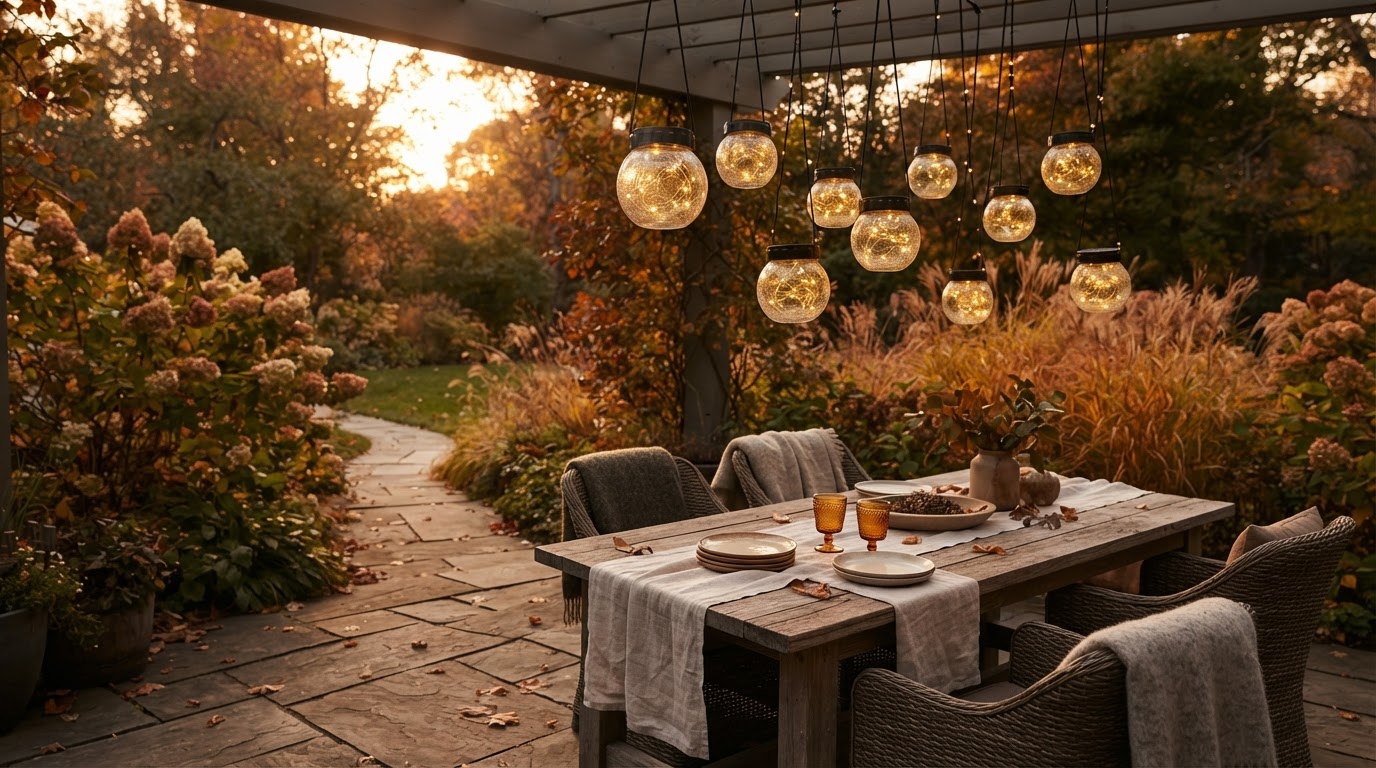
Durability remains a key differentiator in the outdoor lighting sector. The Solar Hanging Lantern is constructed from premium ABS and sturdy cracked glass, ensuring it remains waterproof during heavy rain. In contrast, budget models often rely on thinner plastics that may degrade under UV exposure. When selecting a fixture, consider the physical footprint; for instance, a large globe size of 4" diameter by 4.3" height provides a substantial light throw that smaller units cannot match.
Expert tip: When installing decorative solar lights, always check the panel type. Polycrystalline panels are preferred for regions with shorter daylight hours because they convert energy more efficiently than standard amorphous silicon. To maximize your investment, ensure you are placing units in areas that receive at least six hours of direct sunlight, and regularly clean the glass to prevent dust from obstructing the sensors.
Choosing the right fixture depends on your specific environment. The decision rule: prioritize low-cost decorative units for temporary event styling, but invest in polycrystalline silicon panels and waterproof glass for permanent year-round installations.