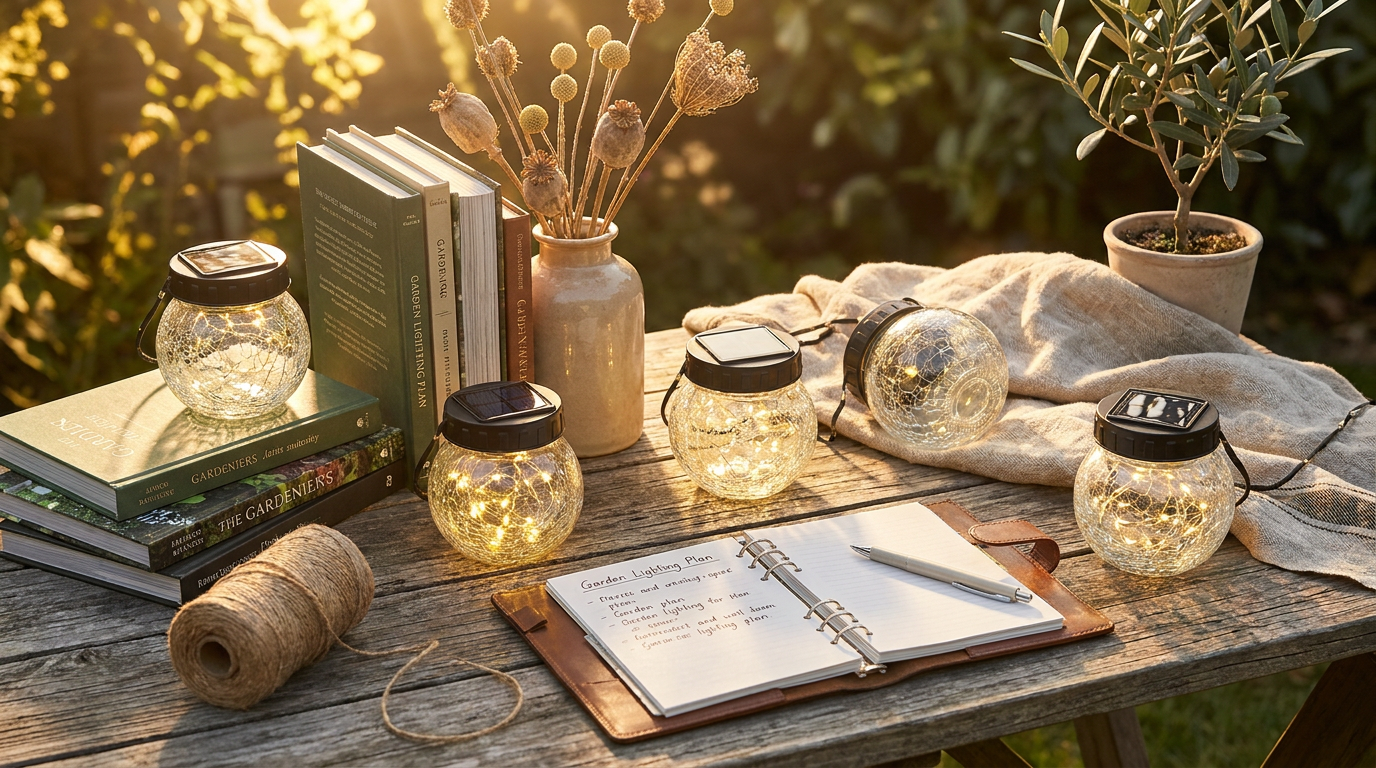
Solar Hanging Lantern Strategies for Year-Round Lighting
 Priya RamanSenior Analyst
July 16, 2026. Selecting a solar hanging lantern for outdoor use requires a technical understanding of photovoltaic placement and material resilience. This analysis provides a framework for homeowners to evaluate illumination needs based on garden architecture and environmental exposure.
Think of it as a matrix of durability and light output. When transitioning from indoor aesthetics to functional exterior lighting, two axes matter here: the ingress protection (IP) rating and the specific solar conversion efficiency of the hardware. According to Solar Lanterns - Allsop Garden, premium units like the Soji Stella Boho series utilize Tyvek, a material specifically engineered to withstand moisture while maintaining a sophisticated visual texture. This highlights the core challenge of outdoor lighting: balancing the delicate aesthetics of a decorative piece with the harsh reality of UV exposure and precipitation. Without a structured approach, many consumers choose fixtures that look appealing in a showroom but fail after one season of rain or intense sun. The problem is often not the battery itself, but the housing's inability to protect the internal circuitry while still allowing the solar panel to receive unobstructed sunlight. This is particularly relevant when considering solar lanterns for patio environments where wind and exposure are higher than in recessed garden corners. Proper placement involves calculating the shadow path of nearby structures throughout the day, ensuring that the lantern's internal sensors do not mistake ambient street lighting for daylight, which prevents the automatic activation of the LED at dusk.
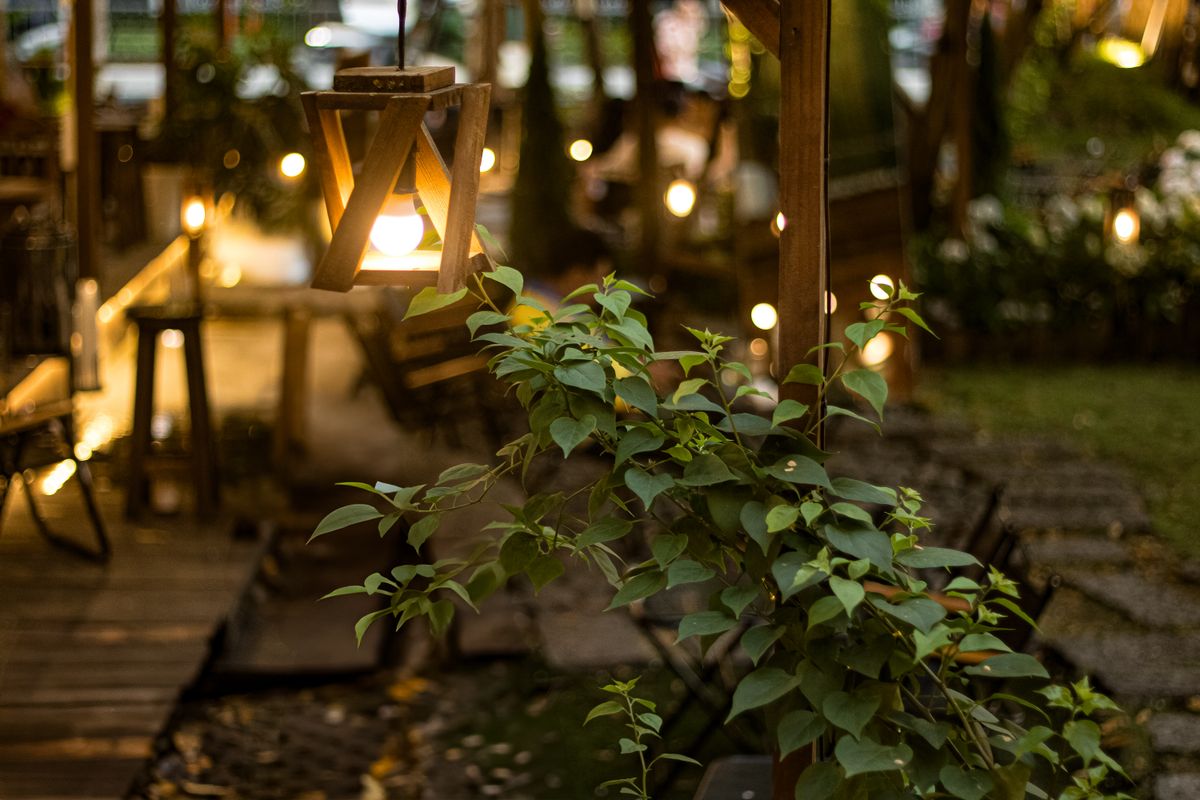
Photo by Duy's House of Photo on Pexels
Once you see it this way, the role of a Solar Hanging Lantern becomes clear: it is a self-contained power plant that must also serve as a high-performance light fixture. The technical requirements for a solar hanging lantern intended for tree placement differ significantly from those meant for a covered porch. For instance, data from Google Search Console indicates that "solar lantern outdoor waterproof" is a primary concern for over 6,600 users, reflecting a market-wide demand for units that can survive heavy downpours. A high-quality lantern typically features a monocrystalline solar panel, which offers higher efficiency in low-light conditions compared to polycrystalline alternatives. The internal NiMH or Li-ion battery must have a capacity high enough to sustain at least 8 hours of illumination after a full day of charging. In larger installations, such as those utilizing large solar lanterns for patio table settings, the weight of the unit becomes a structural consideration. A hanging lantern must be light enough to be supported by standard garden hooks or tree branches, yet heavy enough to resist swaying excessively in high winds. The integration of dusk-to-dawn sensors ensures that energy is not wasted, while the use of warm-toned LEDs (typically 2700K to 3000K) provides the soft glow characteristic of traditional lanterns without the fire hazard of open flames or the maintenance of wired systems. This balance of power management and atmospheric output is what defines a successful outdoor installation.
The decision rule: prioritize the housing material first, then the battery capacity, and finally the aesthetic design. When browsing collections such as Outdoor Lighting at Terrain, it is evident that the most successful designs are those that integrate the solar panel seamlessly into the lid or top surface to maximize surface area. To ensure a long-lasting investment, use the following evaluation framework before finalizing your purchase:
- Verify the IP rating to ensure the unit is rated at least IP44 for standard rain or IP65 for high-exposure areas.
- Check the battery chemistry; lithium-ion batteries generally offer more charge cycles than older nickel-cadmium versions.
- Assess the hanging mechanism; stainless steel or treated nylon cords are preferable to prevent rust and degradation.
- Examine the solar panel surface; it should be clear and free of obstructive decorative elements that cast shadows on the cells.
- Review the lumen output to ensure the light is sufficient for the intended purpose, whether it is task lighting or ambient glow.
Shop Solar Hanging Lantern here