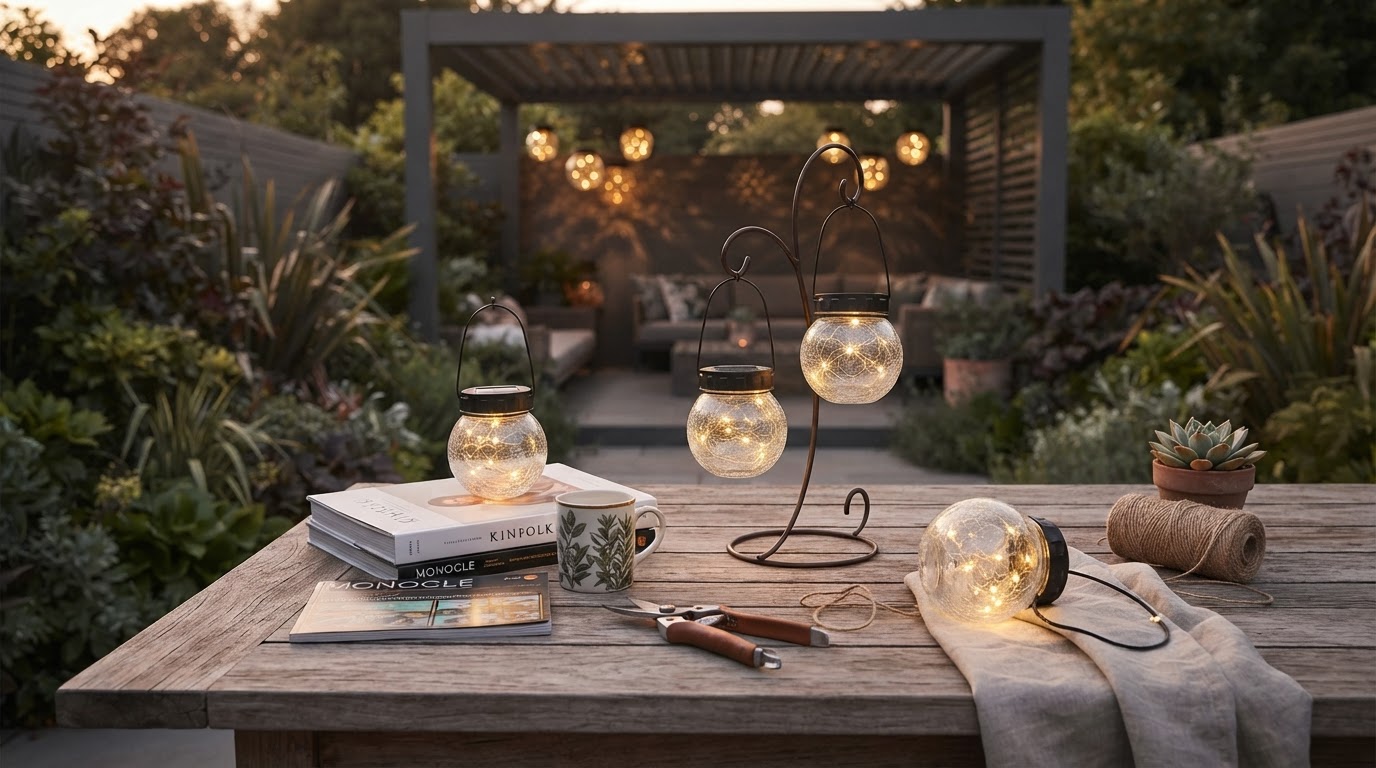
Optimizing Solar Hanging Lantern Placement in Modern Gardens
 Maya ChenContributing Editor
August 3, 2026. This analysis evaluates the spatial dynamics of integrating a Solar Hanging Lantern into diverse landscape architectures. It is intended for homeowners seeking to maximize both the aesthetic impact and the functional efficiency of their outdoor lighting systems.
The Failure of Traditional Garden Lighting Placement
The conventional wisdom says that garden lighting should be uniform, predictable, and strictly utilitarian. Many landscape designers suggest placing lanterns at equal intervals along a path or hanging them symmetrically from a pergola. This approach is fundamentally flawed because it ignores the natural topography of a garden and the specific lux requirements of different outdoor zones. According to Worthing Court, lanterns are often relegated to being a "decorative touch to an empty corner," which treats them as static objects rather than active light sources. When homeowners follow these generic templates, they often end up with over-lit pathways and under-lit social areas, creating a jarring visual experience that lacks depth.
Furthermore, the reliance on traditional wired systems or candle-based lanterns introduces unnecessary maintenance burdens. Pinterest boards frequently showcase wooden lanterns with candlelight or Kirklands lanterns that require manual intervention to ignite and extinguish. This manual labor often leads to "lighting fatigue," where the garden remains dark because the effort to light it outweighs the benefit. The issue isn't a lack of desire for a glow; it's a failure of placement strategy that doesn't account for the transition from day to night. If a lantern is placed purely for its daytime appearance, it will likely fail its nighttime function. We see this frequently in DIY spring decoration ideas where large lanterns are filled with flowers—a practice that looks pleasant in the afternoon but renders the light source useless once the sun sets.
Maximizing the Solar Hanging Lantern Efficiency
Photo by Artūras Kokorevas on Pexels
Here's the part nobody talks about: solar efficiency is entirely dependent on the micro-climate of your specific garden branch or hook. A Solar Hanging Lantern requires direct UV exposure to charge its internal batteries, yet many consumers insist on hanging them under deep porch eaves or dense tree canopies where they receive less than three hours of direct light. To achieve the 6,600 impressions of visibility that high-quality solar lantern outdoor waterproof models are capable of, placement must be dictated by the solar path, not just the furniture layout. The Solar Hanging Lantern is engineered to be waterproof and durable, but it cannot overcome the laws of physics.
Run the math: a standard solar cell needs significant unobstructed daylight to power an LED for 8-10 hours. If you place your lantern on the north side of a structure or deep within a weeping willow, you are effectively throttling its performance by up to 70%. Instead of following the trend of hanging lanterns as mere ornaments, users should prioritize "solar-first" placement. This involves identifying the highest-exposure points in the garden—such as the outer tips of sturdy branches or standalone shepherd's hooks—and then working the aesthetic design around those nodes. By treating the Solar Hanging Lantern as a piece of functional technology rather than a simple trinket, you ensure that the decorative solar hanging lanterns for garden use actually perform when the ambient light drops below 10 lux. This is especially critical for hanging solar lights for porch areas, where structural shadows are most prevalent.
A Decision Framework for Strategic Placement
Choosing where to install your Solar Hanging Lantern should not be a matter of intuition. It requires a systematic evaluation of the site's solar potential and the intended atmospheric effect. The following framework serves as a checklist for optimizing lantern placement:
- Identify the Solar Apex: Ensure the chosen spot receives at least 6 hours of unshaded sunlight between 10:00 AM and 4:00 PM.
- Verify Structural Integrity: If hanging from a tree, select a branch with a diameter of at least 2 inches to prevent sagging or wind damage.
- Assess Ground Clearance: Maintain a minimum of 7 feet of clearance over walkways to prevent accidental contact, or 3 feet over tabletops for intimate lighting.
- Evaluate Visual Sightlines: Place lanterns at varying heights to create a tiered lighting effect that draws the eye through the garden's depth.
- Test for Alternative Supports: As discussed in community forums, if a branch isn't available, consider a log stool or a repurposed garden sculpture to elevate the lantern without sacrificing stability.
- Check Waterproof Ratings: Confirm the placement area doesn't collect standing water, even if the lantern is rated as waterproof.
Shop Solar Hanging Lantern here.
Sources
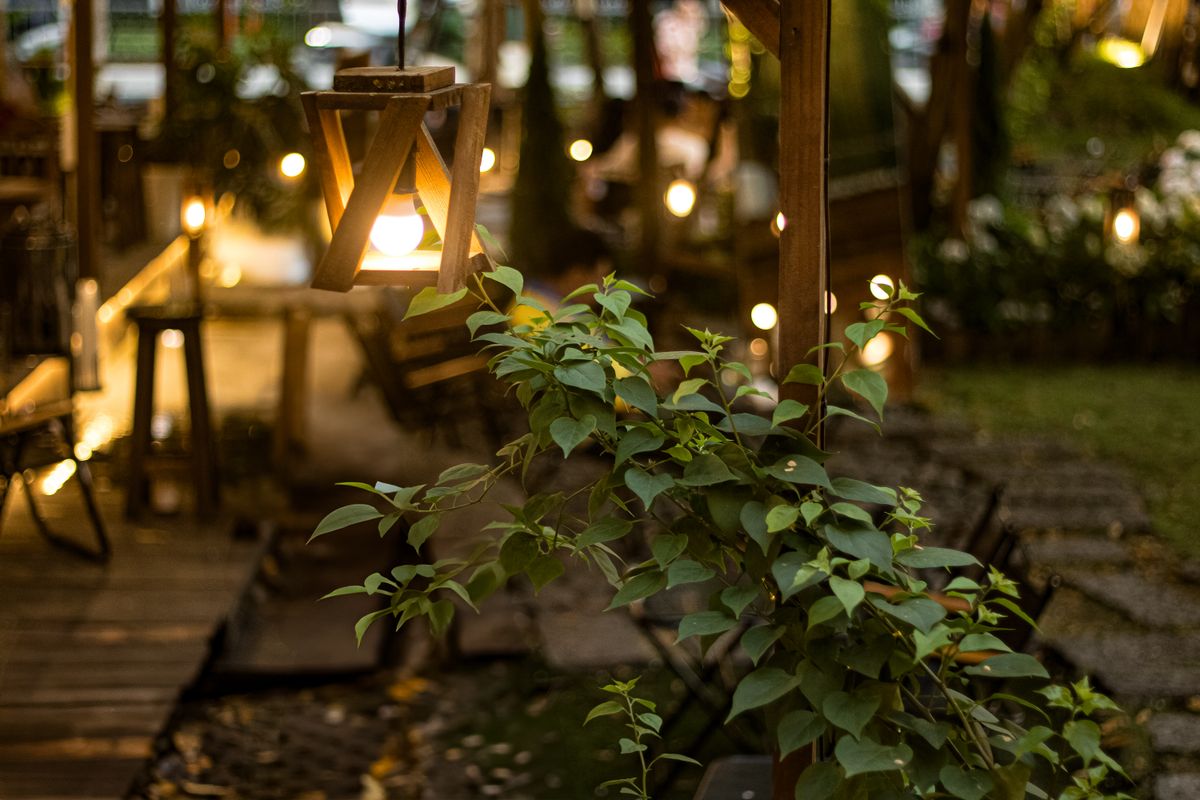
Photo by Duy's House of Photo on Pexels
- Lanterns
- How To Decorate With Lanterns - Tips And Ideas - Worthing Court
- 3 DIY Spring Decorations Ideas / How To Decorate A Large Lantern For ...