
Industrial Solar Hanging Lantern Framework for Sheds
 Priya RamanSenior Analyst
July 28, 2026 — The shift toward off-grid utility structures has redefined how property owners utilize the Solar Hanging Lantern for functional workspaces. As sheds transition from simple storage units into workshops and hobby rooms, the requirement for high-output, reliable illumination has moved beyond decorative aesthetics into industrial-grade performance.
Selecting the right system requires a structured approach to energy capture and light distribution. According to SolarReviews, the highest-performing shed lighting systems often utilize specialized hardware like the Gama Sonic Light My Shed IV to ensure consistent lumen output in enclosed environments. Think of it as a matrix of energy density and spatial coverage; without a balanced ratio between the solar panel's wattage and the battery's milliamp-hour (mAh) capacity, an industrial pendant will fail to maintain brightness through extended evening tasks. For those managing larger outbuildings, integrating solar hanging lanterns outdoor around the perimeter can complement the interior setup, creating a cohesive lighting environment that extends from the door to the workbench.
The 4-Step Industrial Setup
The decision rule for a successful shed installation rests on a 3-axis model: cable length, color temperature, and mounting height. First, verify the lead wire length; many industrial units, such as those featured by Tsun Lighting, provide a 3-meter cable to allow the solar panel to reach the roofline while the lamp remains centered inside. Second, evaluate the color temperature. Industrial tasks generally require a cool white light (5000K-6000K) for clarity, though modern outdoor solar pendant lights now offer three-color temperature switching to accommodate both high-focus work and softer ambient needs. Third, assess the control interface. A remote-controlled system with timing functions is essential for sheds where the physical switch may be blocked by equipment. Finally, ensure the ingress protection (IP) rating is sufficient for the environment; while the light is indoors, a rating of IP65 is preferred for the external panel to withstand heavy rain and dust. Once you see it this way, the choice becomes less about style and more about the engineering requirements of the space. High-efficiency systems typically deliver between 500 to 1000 lumens, powered by lithium-ion batteries that require at least 6 hours of direct sunlight to reach a full charge cycle. This ensures that even on overcast days, the Solar Hanging Lantern maintains enough reserve to provide several hours of continuous illumination.
Expert tip: When installing the external solar panel for your shed, prioritize a 45-degree southward tilt. This angle optimizes year-round photon capture, especially during winter months when the sun sits lower on the horizon, ensuring your solar hanging lanterns outdoor and indoor units receive maximum energy even during shorter days. This is a critical step for maintaining the battery health of outdoor solar pendant lights used in high-traffic utility areas.
By following this industrial framework, owners can transform a dark shed into a fully functional workspace without the expense of trenching electrical lines. Proper placement and hardware selection ensure long-term reliability.
Sources
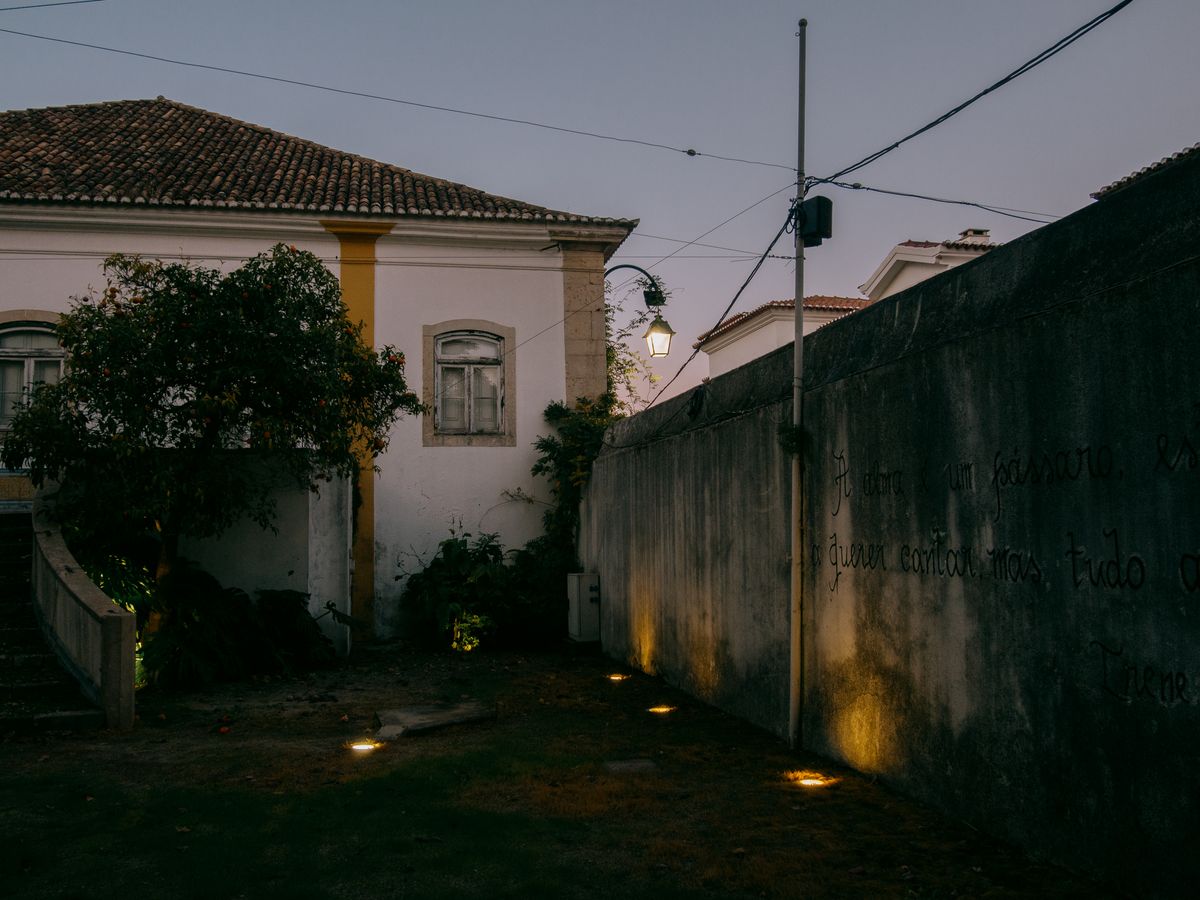
Photo by joao Guerreiro on Pexels
- The 4 Best Solar Shed Lights to Buy in 2025 - SolarReviews
- Solar Motion Shed Light Solar Outdoor Pendant Lights 3 Color
- Solar Powered Shed Light - YouTube