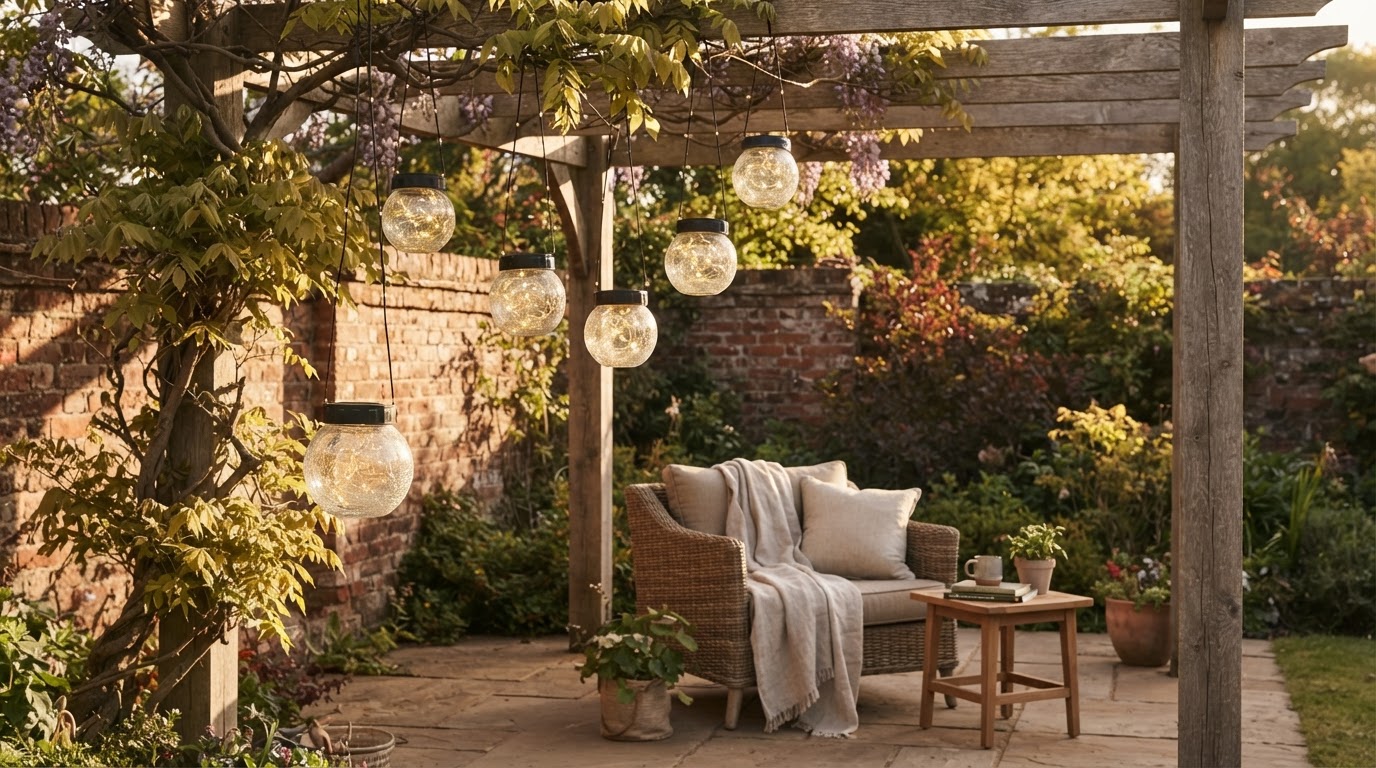
Where should I install a Solar Hanging Lantern pendant?
 Priya RamanSenior Analyst
August 5, 2026 — Optimal placement for a Solar Hanging Lantern depends primarily on the intersection of solar irradiance and the physical architecture of the installation site.
Selecting the right location for a solar pendant light requires balancing the functional need for overhead illumination with the technical necessity of photovoltaic charging. This decision framework is particularly relevant for homeowners looking to upgrade porch or shed environments without the complexity of hardwiring. Two axes matter here: the proximity of the fixture to the structural support and the unobstructed path to solar energy. By viewing the installation through this lens, the placement becomes a calculation of energy efficiency versus light dispersion.
How does sunlight exposure impact solar pendant performance?
The decision rule for solar pendant performance is rooted in the direct relationship between daily UV exposure and the discharge duration of the internal battery. Think of it as a matrix of charge hours versus lumen output; a fixture receiving six hours of direct sunlight will significantly outperform one placed in partial shade. According to Allsop Garden, solar products are specifically engineered to live outdoors and add light to gardens, but their efficiency is contingent upon the quality of the light they absorb during the day. For pendant styles, this often necessitates a remote solar panel configuration where the light hangs in a shaded area while the panel is mounted on a sun-drenched roofline or eave. Once you see it this way, the distinction between integrated and remote panels becomes the primary driver for placement. Integrated panels require the entire lantern to be exposed, whereas remote panels allow for deep-shade installations under thick porch covers or inside sheds. Failure to secure a minimum of 4 to 6 hours of direct light typically results in a dim glow that lasts less than half the manufacturer's rated runtime.
Where is the most effective location for a decorative pendant?
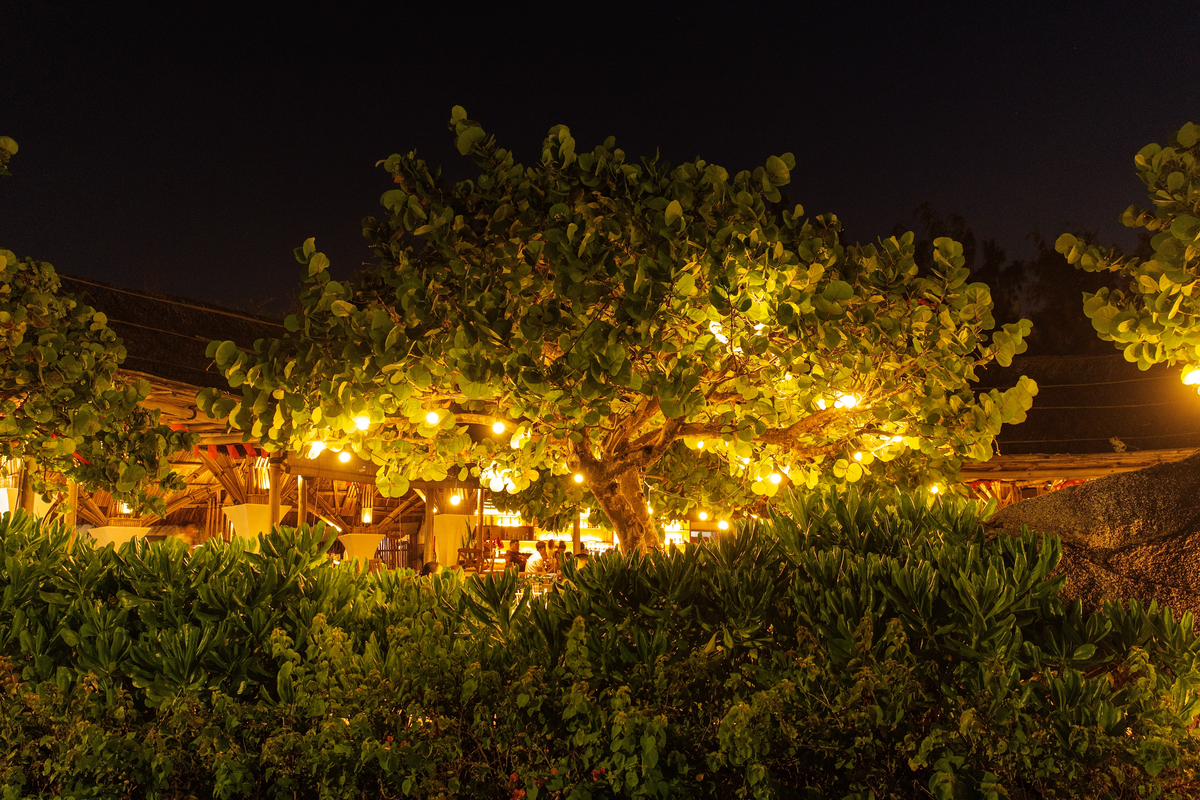
Photo by quang vinh on Pexels
The most effective location for a decorative solar pendant is at a central focal point where the light can diffuse against vertical surfaces to create depth. In a modern farmhouse solar lantern for porch setup, the lantern serves as a visual anchor that requires a height of at least 7 feet to prevent glare while ensuring the light reach is maximized. VivaTerra notes that solar lanterns featuring an Edison-style bulb add a nostalgic charm to gatherings, which is best utilized when the light is suspended over dining areas or entryways. For utility-focused spaces, such as an industrial solar pendant light for shed, the placement should be directly above the workspace, provided the external panel is positioned on the south-facing side of the structure. When considering a solar hanging lantern for general garden use, the structural integrity of the branch or hook must be verified, as heavy winds can cause significant swaying that may damage the photovoltaic connections if the clearance is insufficient. The goal is to minimize the distance between the light source and the task area while maintaining the integrity of the solar charging cycle.
Quick answers
Q: Are solar hanging lanterns waterproof enough for year-round use? A: Most high-quality fixtures carry an IP65 rating, meaning they are protected against dust and low-pressure water jets. Solar Hanging Lantern designs are specifically tested to withstand rain and snow, though they should be cleared of heavy snow buildup to ensure the panel can still charge.
Q: Can I use a solar pendant light inside a fully enclosed shed? A: Yes, provided the model utilizes a remote solar panel connected by a lead wire. This allows the panel to be mounted outdoors in direct sunlight while the lantern provides illumination inside the dark interior of the shed.
Q: How long do the batteries in these lanterns typically last? A: Most outdoor solar pendants use rechargeable NiMH or Lithium-ion batteries that last between 1 to 2 years before the capacity degrades. According to Plow & Hearth, proper maintenance and ensuring a full charge cycle can help maximize the lifespan of these outdoor lighting components.
Learn more about Solar Hanging Lantern at https://solarhanginglights.com.
Sources
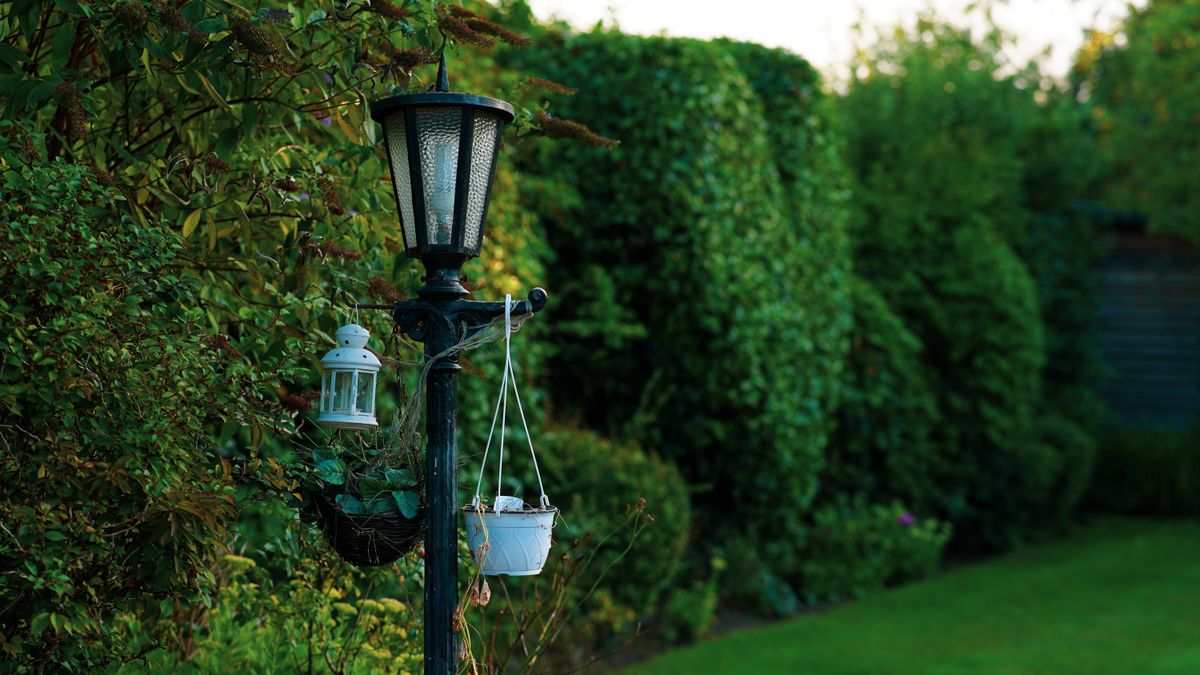
Photo by JINU JOSEPH on Pexels
- Solar Lanterns - Allsop Garden
- Solar Lighting - Plow & Hearth
- Solar Pendant Light Outdoor - Pinterest