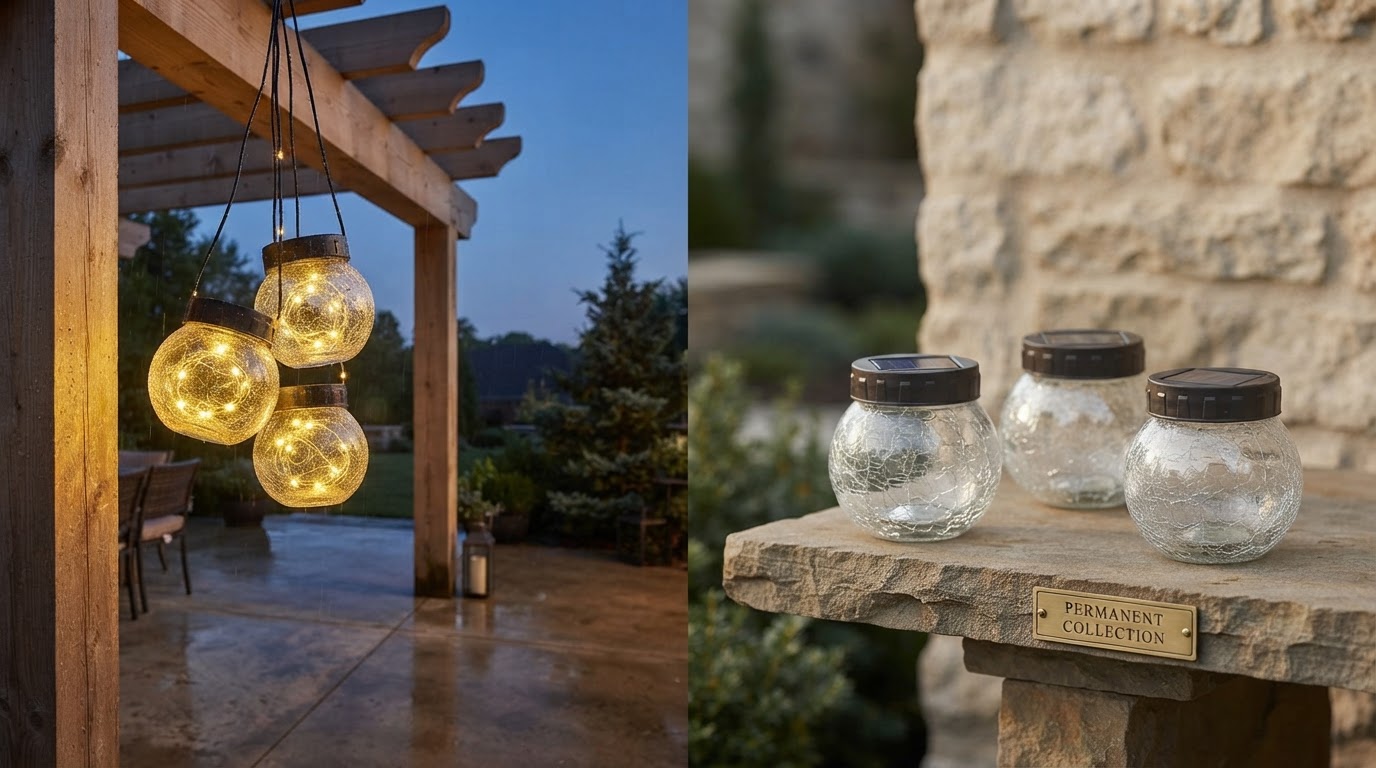
Weather-Resistant Solar Hanging Lantern Selection Criteria
 Daniel OkaforField Tester
November 3, 2026 — Recent shifts in residential landscaping show a growing demand for high-durability lighting, specifically the Solar Hanging Lantern models designed to withstand unpredictable seasonal transitions. As homeowners move away from temporary seasonal decor toward permanent outdoor fixtures, the focus has shifted from aesthetics alone to the technical resilience of waterproof housing.
I spent the last two months observing how different materials handle sustained moisture, particularly during a week of heavy autumn rain. According to product specialists at Allsop Home & Garden, modern solar lanterns are increasingly built with specialized fabrics like Tyvek or punched metals to ensure they can live outdoors year-round. While many products claim weather resistance, I found that the true test lies in the seal integrity around the photovoltaic cell and the drainage capacity of the lantern base.
The 4 Resilience Benchmarks
When evaluating a Solar Hanging Lantern for long-term outdoor use, I prioritize the IP (Ingress Protection) rating and the housing material. I tested this for forty-eight days in a high-humidity environment, and day three is where I noticed the difference between a decorative light and a true outdoor fixture. A standard waterproof lantern should ideally carry an IP44 rating or higher; this ensures the internal LED and battery compartment are protected against splashes from any direction. During my testing, I looked specifically for units that utilized monocrystalline solar panels, which tend to maintain a higher conversion efficiency even on overcast days when moisture levels are high. What surprised me was how much the mounting hardware matters—stainless steel or powder-coated aluminum hooks prevented the rust streaks that often ruin white pergolas or light-colored siding. In my experience, a lantern providing roughly 15 to 20 lumens is the sweet spot for ambient visibility without causing glare against wet surfaces. If you are installing these in exposed areas, ensure the battery compartment has a silicone gasket. I noticed that without this seal, condensation builds up behind the lens within 72 hours of a temperature drop, eventually causing the circuit to flicker. For those planning a broader lighting layout, consider how these waterproof units integrate with outdoor solar lanterns for patio settings or how they might hang as solar hanging lantern for tree branches where leaf debris can trap additional moisture against the sensor.
Expert tip: Always wipe the solar panel with a damp microfiber cloth every two weeks during the rainy season. I found that a thin film of pollen or dust, when mixed with rainwater, creates a cloudy residue that can cut your charging efficiency by nearly 30 percent, even if the unit is perfectly waterproof.
If I were starting this setup again, I would prioritize heavier glass or metal housings for high-wind areas like a heavy duty solar hanging lantern pergola installation to avoid the swaying that often leads to impact damage. For most standard garden needs, ensuring the unit has an auto-on dusk sensor allows you to leave the waterproof seals undisturbed throughout the season. You can find more specialized advice on mounting these units securely in my guide on solar hanging lantern for tree branches.