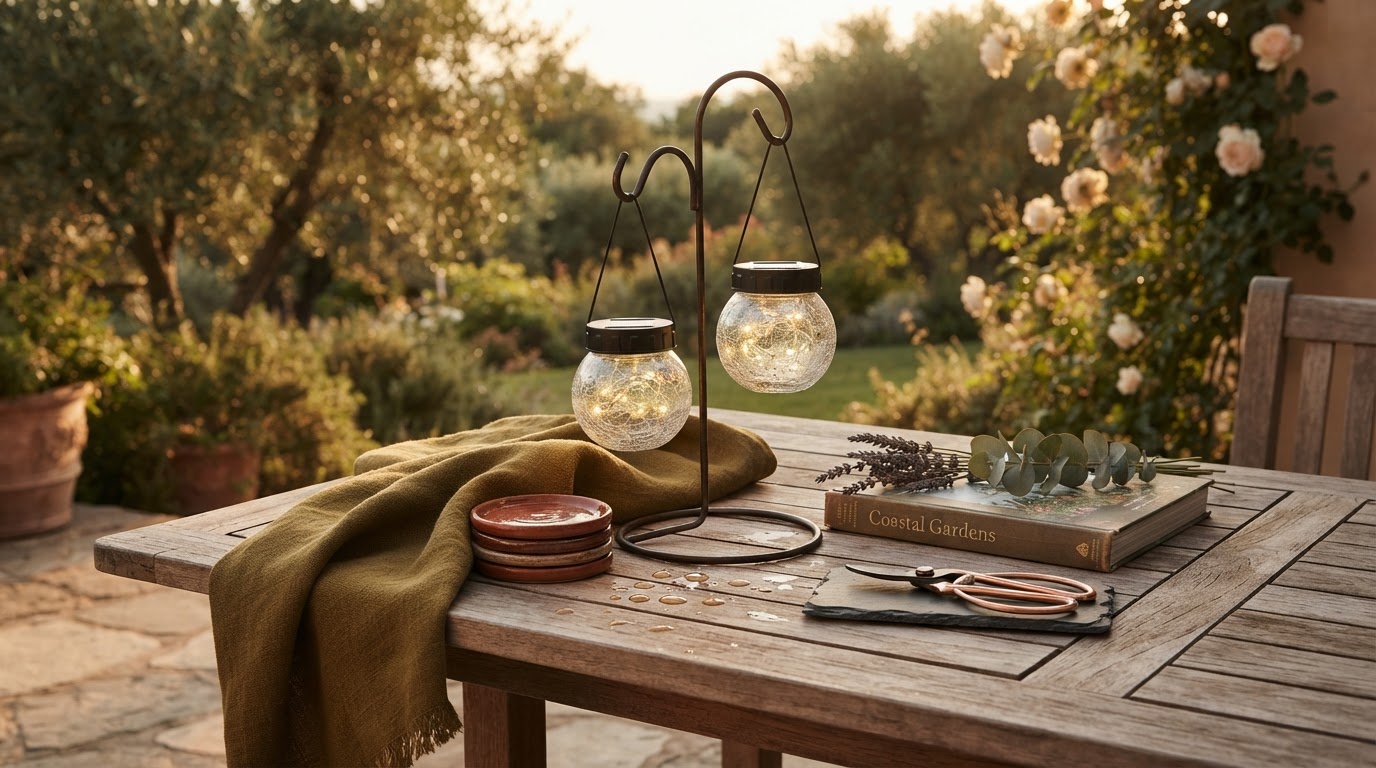
Are Solar Hanging Lantern units waterproof and durable?
 Sam VasquezBuying Guide Lead
August 3, 2026 — Most high-quality Solar Hanging Lantern models are specifically designed to be waterproof, though their resilience depends entirely on their Ingress Protection (IP) rating and material construction.
Homeowners frequently ask this because hanging lights for a porch or tree are exposed to the elements 24/7, making moisture ingress the number one cause of circuit failure. Understanding the difference between 'weather-resistant' and 'waterproof' is the key to ensuring your garden lighting lasts more than one season.
What IP rating is needed for a Solar Hanging Lantern?
For a Solar Hanging Lantern to survive consistent rain, it generally needs an IP44 rating or higher, with IP65 being the gold standard for heavy storms. According to Tractor Supply, waterproof outdoor solar lanterns often boast IP65 or IP55 ratings, which signifies they are protected against low-pressure water jets and can be left out year-round. In my experience, anything below IP44 is strictly for covered porches where direct splashing is unlikely.
If you're on a budget, you'll see many generic units that don't list an IP rating at all; skip these if you live in a climate with heavy rainfall. Between a metal-housed IP44 lantern and a plastic IP65 model, I’d go with the higher IP rating every time because internal moisture is what kills the battery terminals. EcoWatch notes that as long as the unit is verified waterproof, it can safely remain outdoors during rain, but the longevity of the seal is what separates professional-grade lanterns from disposable ones.
Can these lanterns handle snow and freezing temperatures?
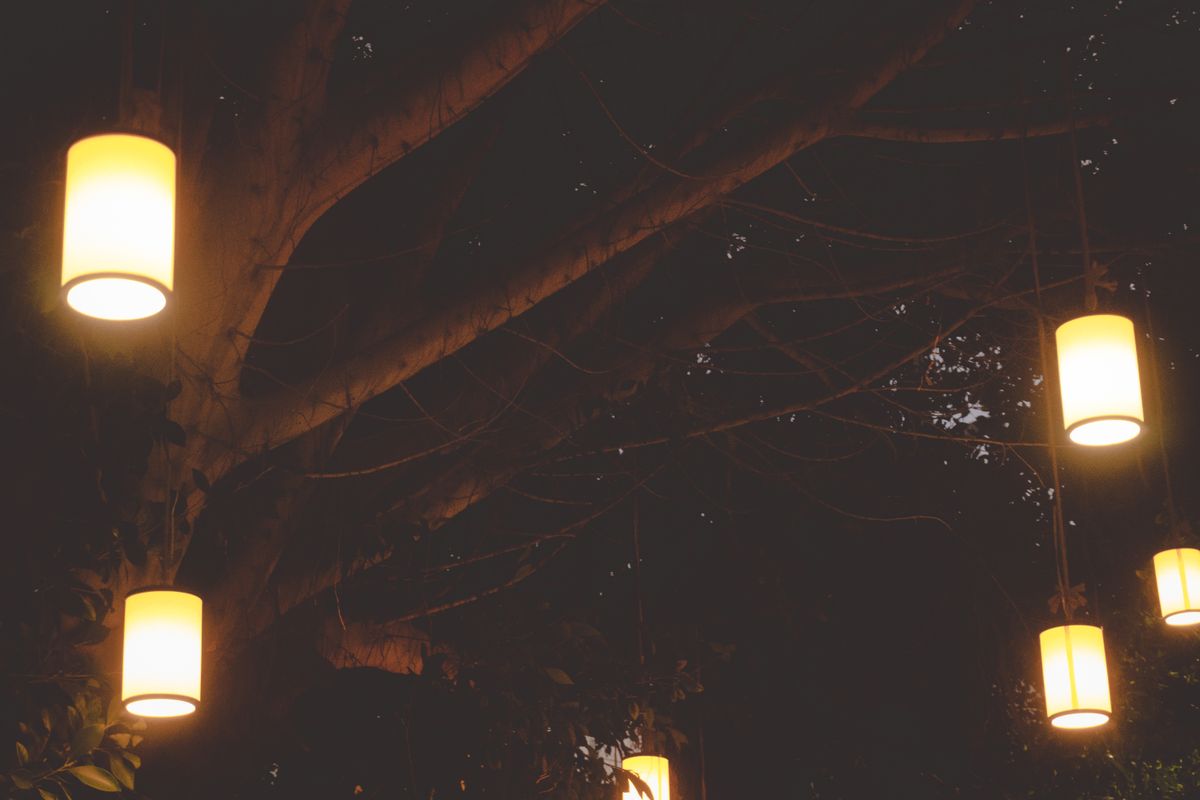
Photo by Mehmet Kaya on Pexels
Yes, quality Solar Hanging Lantern units can handle snow, provided the housing prevents meltwater from seeping into the battery compartment. Allsop Garden emphasizes that their solar products are built specifically to live outdoors, utilizing materials like hand-blown glass or durable fabric designed for the elements. However, the real challenge in winter isn't the water—it's the reduced sunlight which prevents the battery from reaching a full charge, leading to shorter run times.
Here’s what I’d actually buy: I prefer lanterns with a glass or heavy-duty metal frame rather than thin nylon if they are going to be exposed to snow loads. While fabric lanterns look great for summer parties, they can sag and trap moisture when frozen. If you are looking for year-round reliability in a cold climate, stick to the IP65-rated hard-shell designs. They handle the expansion and contraction of freezing water much better than cheap, glued-together alternatives found in big-box clearance aisles.
Quick answers
Q: Can I leave my Solar Hanging Lantern out in a thunderstorm? A: Yes, provided the unit has at least an IP65 rating, it is designed to withstand heavy rain and wind. Units with lower ratings like IP44 should be moved to a sheltered area during severe weather to prevent water ingress.
Q: Does 'weather-resistant' mean the same thing as waterproof? A: No, 'weather-resistant' usually implies protection against light moisture or humidity, whereas 'waterproof' (IP65+) means the Solar Hanging Lantern can handle direct water spray. Always check the specific IP code on the packaging before permanent installation.
Q: How do I fix a lantern that stopped working after rain? A: First, open the battery compartment to check for moisture and dry it with a soft cloth. If the internal copper terminals show green corrosion, you can often clean them with a bit of white vinegar, but a failed seal usually means the lantern needs replacement.
Learn more about Solar Hanging Lantern at https://solarhanginglights.com.
Sources
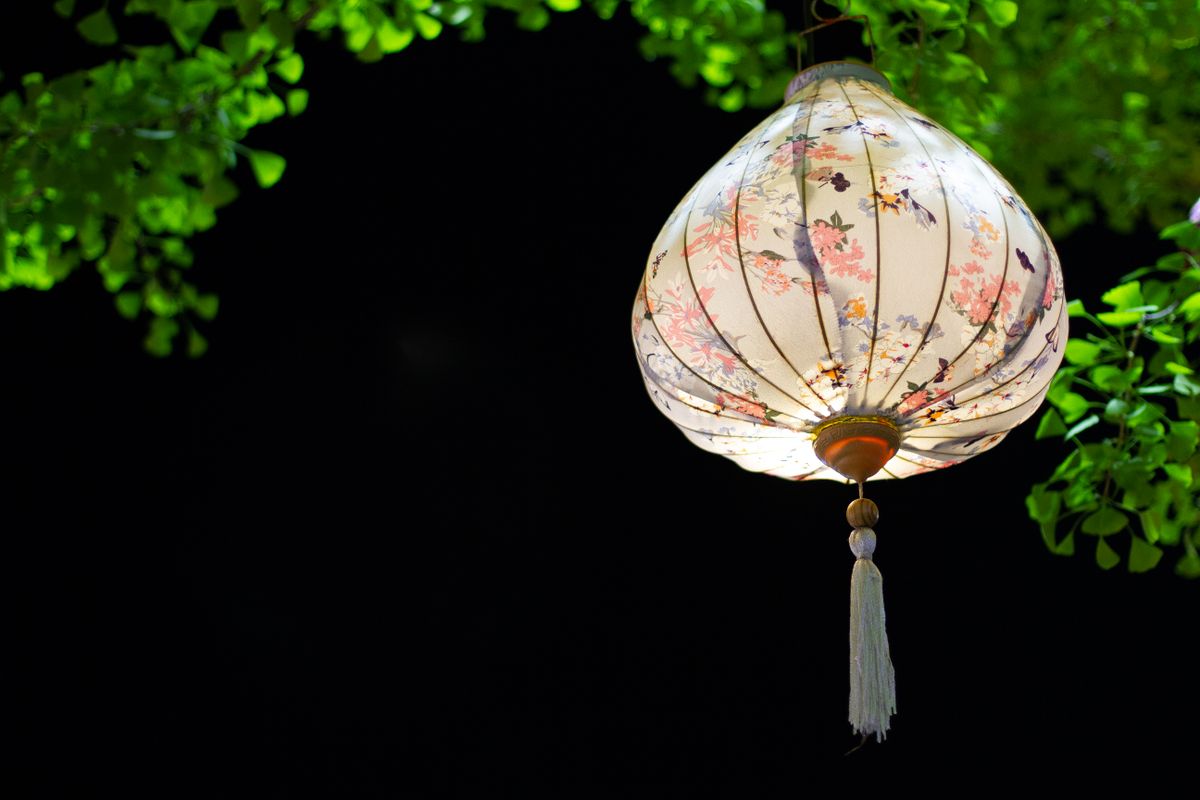
Photo by Cheng Shi Song on Pexels