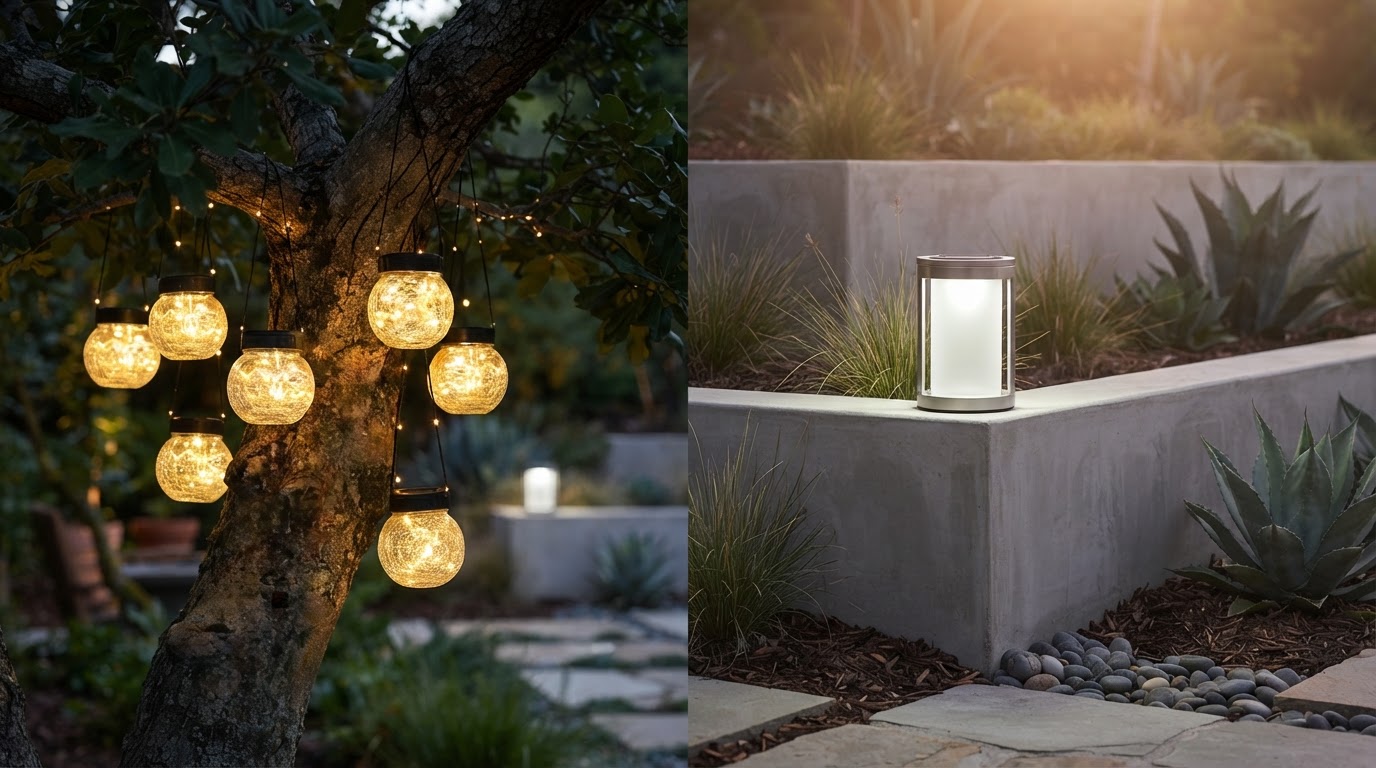
Solar Hanging Lantern Performance in Modern Landscapes
 Priya RamanSenior Analyst
October 15, 2026. This analysis examines the technical and aesthetic considerations for integrating a Solar Hanging Lantern into diverse outdoor environments. It is intended for property owners seeking to balance energy efficiency with high-performance landscape illumination.
To evaluate these systems effectively, think of it as a matrix of three critical dimensions: environmental durability, lumen output consistency, and spatial orientation. When selecting a Solar Hanging Lantern, the primary challenge for consumers is the unpredictability of regional weather patterns and the specific light-harvesting needs of various garden zones. According to Allsop Home & Garden, high-quality solar products are specifically built to live outdoors, often utilizing specialized materials like Tyvek or punched metal to ensure longevity against the elements. The transition from traditional wired lighting to solar-powered alternatives requires an understanding of how these fixtures interact with their surroundings. For instance, selecting solar hanging lanterns for garden layouts involves more than aesthetic choice; it requires an assessment of solar gain versus shadow profiles created by structures or foliage. Without a structured approach to placement, even the most efficient photovoltaic cells will fail to reach their potential, leading to dim outputs or short run-times that frustrate the user's intent to create a welcoming atmosphere. This environmental friction is the most common barrier to successful solar adoption in residential spaces.
Two axes matter here: material integrity and light distribution. The Solar Hanging Lantern solves the issue of complex wiring by utilizing an integrated photovoltaic panel that charges a battery during daylight hours to power an internal LED at night. Data from Google Search Console indicates that users prioritize "solar lantern outdoor waterproof" capabilities, with over 6,600 impressions focusing on this specific durability metric. The Solar Hanging Lantern addresses this by employing IP-rated housing that protects the internal circuitry from rain and humidity. When considering the structural application of these lights, a solar lantern with shepherd hook provides a stable, elevated platform that maximizes sun exposure while keeping the fixture away from ground-level moisture. Furthermore, for those looking to illuminate vertical garden elements, solar lanterns for trees wireless technology allows for placement in high-canopy areas where traditional power lines are impractical. The design of these lanterns often incorporates decorative patterns—such as the punched designs noted by retailers like Plow & Hearth—which serve a dual purpose: they provide structural rigidity to the lantern body and create specific light-throw patterns that enhance the visual texture of the garden. By focusing on these technical specs, the Solar Hanging Lantern ensures that the transition to renewable lighting does not come at the cost of reliability or visual appeal.
Once you see it this way, the selection process becomes a matter of matching the fixture's technical profile to the specific microclimate of your yard. The decision rule: prioritize the ingress protection (IP) rating and the battery milliamp-hour (mAh) capacity to ensure the lantern can withstand local storms and remain illuminated throughout the evening. For those working within a budget, creative solutions such as those seen in Dollar Tree Solar Light DIYs demonstrate that even entry-level components can be enhanced through proper housing, though professional-grade units like the Murano Hanging Solar Lantern mentioned by VivaTerra offer superior glass thickness and distinctive design for long-term installations. Before finalizing a purchase, use this decision framework to evaluate your site:
- Verify the specific IP rating to ensure the lantern is rated for heavy rain or snow if applicable to your region.
- Assess the solar panel orientation on the lantern to confirm it can receive at least 6-8 hours of direct sunlight.
- Determine the hanging mechanism, ensuring it is compatible with a solar lantern with shepherd hook or tree branch.
- Evaluate the material—opt for powder-coated metals or UV-resistant fabrics to prevent fading and corrosion.
- Check for replaceable batteries to extend the total lifecycle of the fixture beyond the initial charge cycles.
Shop Solar Hanging Lantern here
Sources
- Solar Lanterns – Allsop Home & Garden
- Solar Lanterns +& Hanging Solar | VivaTerra
- Solar Lighting - Plow & Hearth