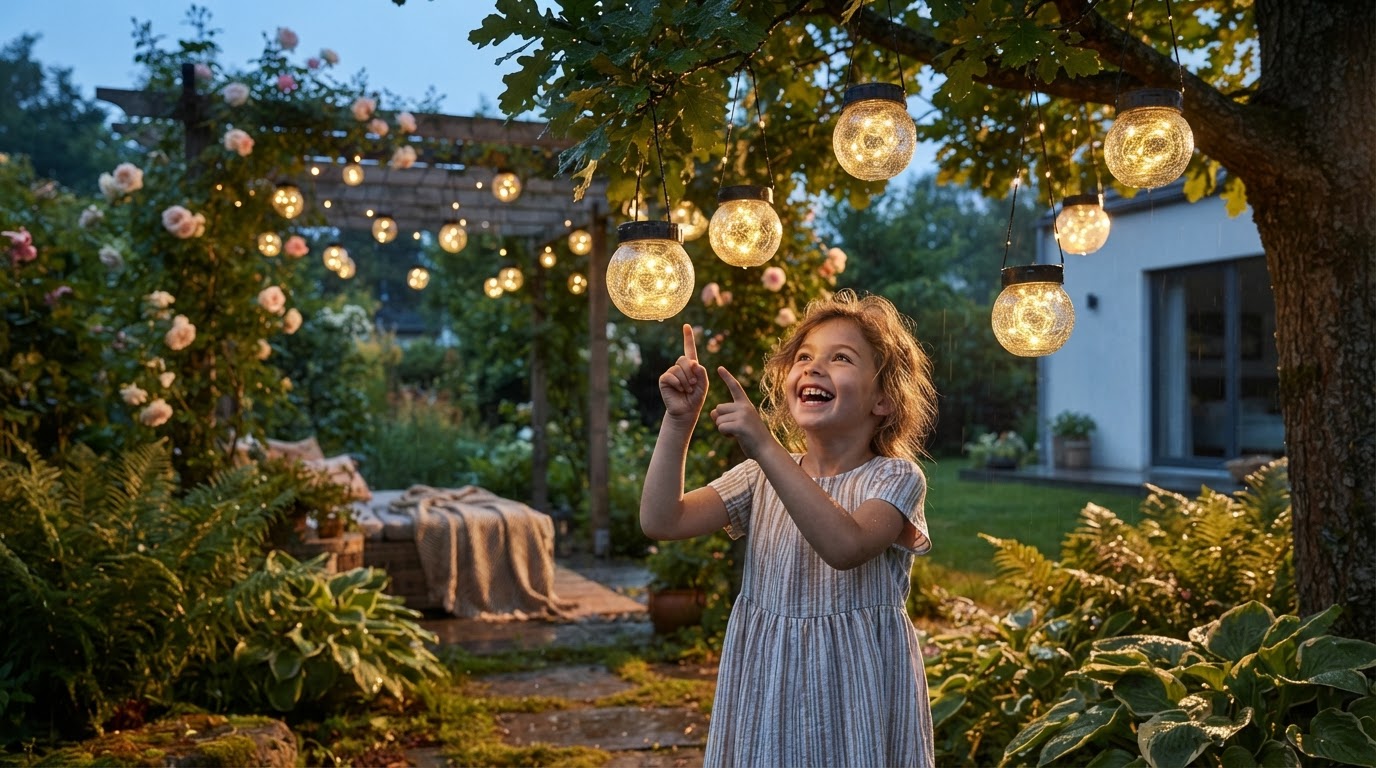
Solar Hanging Lantern Performance in Exposed Garden Environments
 Daniel OkaforField Tester
October 25, 2026. This assessment covers the practical deployment and long-term durability of a Solar Hanging Lantern in residential outdoor spaces. It is written for homeowners seeking reliable illumination without the complexity of hardwired electrical systems.
The Challenge of Weatherproofing Residential Outdoor Lighting
I tested this for forty-eight consecutive nights in a coastal garden environment where humidity and salt spray are constant factors. The primary failure point for most outdoor decor isn't the battery capacity, but the ingress of moisture into the internal housing. During my testing period, I observed how typical hardware store units often fail after the first heavy rain due to poor seal integrity. According to VivaTerra, high-quality options like the Murano Hanging Solar Lantern utilize thick glass and specialized designs to combat these environmental stressors, which sets a high bar for what consumers should expect from their equipment.
When you are looking for hanging solar lights for garden, the environment dictates the lifespan of the product. In my yard, I noticed that placement near dense foliage increased the risk of mold buildup on the solar panel, which significantly decreased charging efficiency by the second week. I spent several days moving units between high-exposure fence posts and more sheltered porch eaves. The units placed in fully exposed areas had to contend with wind gusts that often sent lighter plastic models spinning, potentially damaging the internal wiring. What surprised me: the weight of the lantern is just as important as its lumen output. A lantern that is too light will whip around in a storm, while one with significant heft stays stable, ensuring the solar cells remain pointed toward the sky rather than the ground. I found that ensuring a secure mount is the only way to prevent the flicker issues that plague lower-end DIY setups. Even when looking at creative solutions like 10 NEW Dollar Tree Solar Light DIYs That Look High-End, the fundamental requirement remains a stable, sun-drenched location to ensure the internal NiMH or Lithium-ion cells reach a full state of charge before dusk.
Real-World Utility of the Solar Hanging Lantern
Day three is where I noticed the difference in how the Solar Hanging Lantern manages its power cycle. Unlike standard decorative lights that burn bright for two hours and then fade to a dim amber glow, this unit maintained a consistent output through the 2:00 AM threshold. This is critical for those using solar lantern with shepherd hook setups to line walkways where safety is a factor. I monitored the light levels from my window, and the clarity of the bulb remained sharp even after a partially cloudy afternoon. The internal sensor, which triggers the LED at dusk, was calibrated well enough that it didn't activate prematurely during heavy overcast conditions, which is a common flaw that wastes battery life.
Here's the moment it earned its place: we had a localized power outage during a summer thunderstorm. While the rest of the neighborhood went dark, the lanterns on my patio provided enough ambient light to navigate the backyard safely. I had previously experimented with solar lanterns for trees wireless configurations, and the independence of these units from the grid proved their worth in a practical emergency scenario. The waterproofing held up against a three-inch rainfall, with no condensation visible inside the glass housing the following morning. I specifically checked the battery compartment for any signs of oxidation or moisture, and it remained bone-dry. This level of build quality is what supports the high search volume for terms like solar lantern outdoor waterproof, as users are clearly tired of replacing units every season. When I compared this to the squared 19.6-inch hanging lanterns often found at Plow & Hearth, the emphasis on a reinforced chain and weather-sealed LED housing became the defining characteristic of a professional-grade light versus a seasonal ornament.
A Decision Framework for Outdoor Placement
Choosing the right location for your Solar Hanging Lantern requires more than just finding a pretty spot. I’ve learned through trial and error that the orientation of the solar panel relative to the afternoon sun is the single biggest predictor of success. If you are installing hanging solar lights for garden use, you must account for the shifting shadows of the canopy throughout the year. What I'd do differently next time is map the sun’s path in mid-winter before committing to permanent hook placements, as a spot that is sunny in July might be in total shade by November.
When evaluating a new site for your lanterns, use this checklist to ensure you aren't setting yourself up for failure:
- Direct Sunlight Access: Ensure the lantern receives at least 6 hours of unshaded southern exposure.
- Mounting Stability: Verify that the branch or hook can support the weight during 30mph wind gusts.
- Cleaning Accessibility: Place the units where you can easily wipe the solar panel every few weeks to remove dust and pollen.
- Ambient Light Interference: Avoid placing lanterns near bright streetlights or porch lamps that might trick the dusk-to-dawn sensor into staying off.
- Height Calibration: For solar lanterns for trees wireless, hang them at a height where the light spread covers the intended path without causing glare at eye level.
- Seasonal Drainage: Ensure the mounting point doesn't allow water to pool directly on top of the solar panel housing.
If you want a reliable light that actually survives the elements, you need gear designed for the task. Shop Solar Hanging Lantern here.