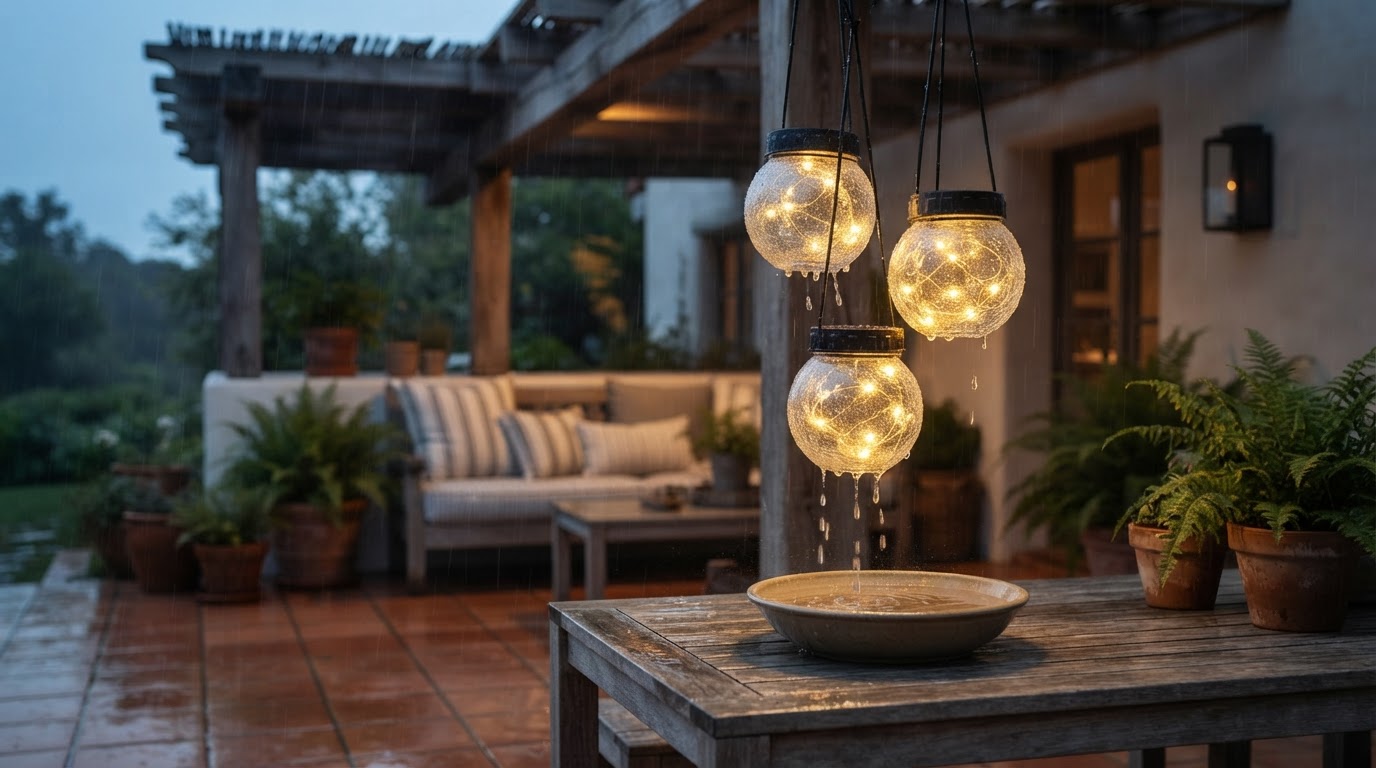
Are Solar Hanging Lantern Models Truly Waterproof?
 Priya RamanSenior Analyst
September 21, 2026 — While most solar hanging lanterns are marketed as waterproof, their actual resistance to moisture depends on their specific IP rating and construction materials, typically ranging from IP44 for light rain to IP67 for temporary immersion.
Homeowners seeking reliable illumination for exposed areas must distinguish between general weather resistance and true waterproofing to avoid premature circuit failure. Understanding this distinction is critical for maintaining safety and longevity in garden installations where electrical components are constantly exposed to the elements. The decision rule for selecting a Solar Hanging Lantern focuses on the intersection of enclosure integrity and material breathability.
Two axes matter here: the ingress protection (IP) rating and the material porosity. Think of it as a matrix of durability where one axis measures the lantern's ability to keep water out, while the other measures its ability to shed moisture before it corrodes internal contacts. For instance, EcoWatch highlights that high-quality models like the PackLite Nova are not only waterproof but also shatterproof and dustproof, providing a specific standard for rugged environments. When evaluating a Solar Hanging Lantern, look for sealed battery compartments and drainage holes in the outer casing, which prevent the 'aquarium effect' where water enters through seams but cannot escape, eventually drowning the LED driver.
How do IP ratings affect Solar Hanging Lantern placement?
The IP rating of a Solar Hanging Lantern determines its safe placement relative to water exposure, with IP44 being the minimum requirement for general outdoor use. This rating signifies protection against solid objects larger than 1mm and splashes of water from any direction, making it suitable for protected areas like a porch or under a solar hanging lantern gazebo lighting system. According to technical standards, an IP65 rating is necessary for lanterns that will be fully exposed to heavy rain or jets of water, as these units feature tighter gaskets around the solar panel and light housing. VivaTerra notes that modern lanterns are designed to add a warm glow while saving energy, but their placement should still align with their specific weather-resistance specifications to ensure a long operational lifespan.
Which materials offer the best waterproofing for outdoor use?
Synthetic fabrics like Tyvek and metals with powder-coated finishes provide the most reliable moisture barriers for a Solar Hanging Lantern intended for year-round outdoor deployment. Tyvek is particularly effective because it is breathable yet water-resistant, allowing internal condensation to evaporate while blocking external rain. Allsop Home & Garden utilizes these materials in their Soji Stella Boho series, which are specifically built to live outdoors and withstand environmental stressors. When selecting decorative solar lanterns for patio use, metal housings are often preferred for their structural rigidity, though they must be treated to prevent rust at the hanging point. Choosing the right material involves a Solar Hanging Lantern selection guide that balances aesthetic goals with the reality of local humidity and precipitation levels.
Quick answers
Q: Can a Solar Hanging Lantern be left out in the snow? A: Most lanterns rated IP44 or higher can remain outdoors in snow, provided the solar panel is cleared of accumulation to allow for charging. Brands like ALOADECOR offer weather-resistant designs with flickering LED candle glows that are specifically tested for varied outdoor conditions.
Q: How long do waterproof seals on solar lanterns typically last? A: Silicone gaskets and rubber seals on quality solar lanterns generally maintain their integrity for 2 to 4 years, depending on UV exposure levels. Regular inspection of the seal around the solar cell can prevent water ingress and extend the life of the internal 1.2V NiMH battery.
Q: Does a waterproof rating cover salt air environments? A: Standard IP ratings do not account for salt corrosion; for coastal areas, users should select lanterns made of non-corrosive materials like high-density polyethylene (HDPE) or marine-grade stainless steel. Allsop Home & Garden designs products specifically to live outdoors, but salt air may require more frequent cleaning to prevent buildup on the solar sensors.
Learn more about Solar Hanging Lantern at https://solarhanginglights.com.
Sources
- Solar Lanterns – Allsop Home & Garden
- Outdoor Lanterns & Lighting | VivaTerra
- Outdoor Solar Lanterns & Patio Lights | ALOADECOR