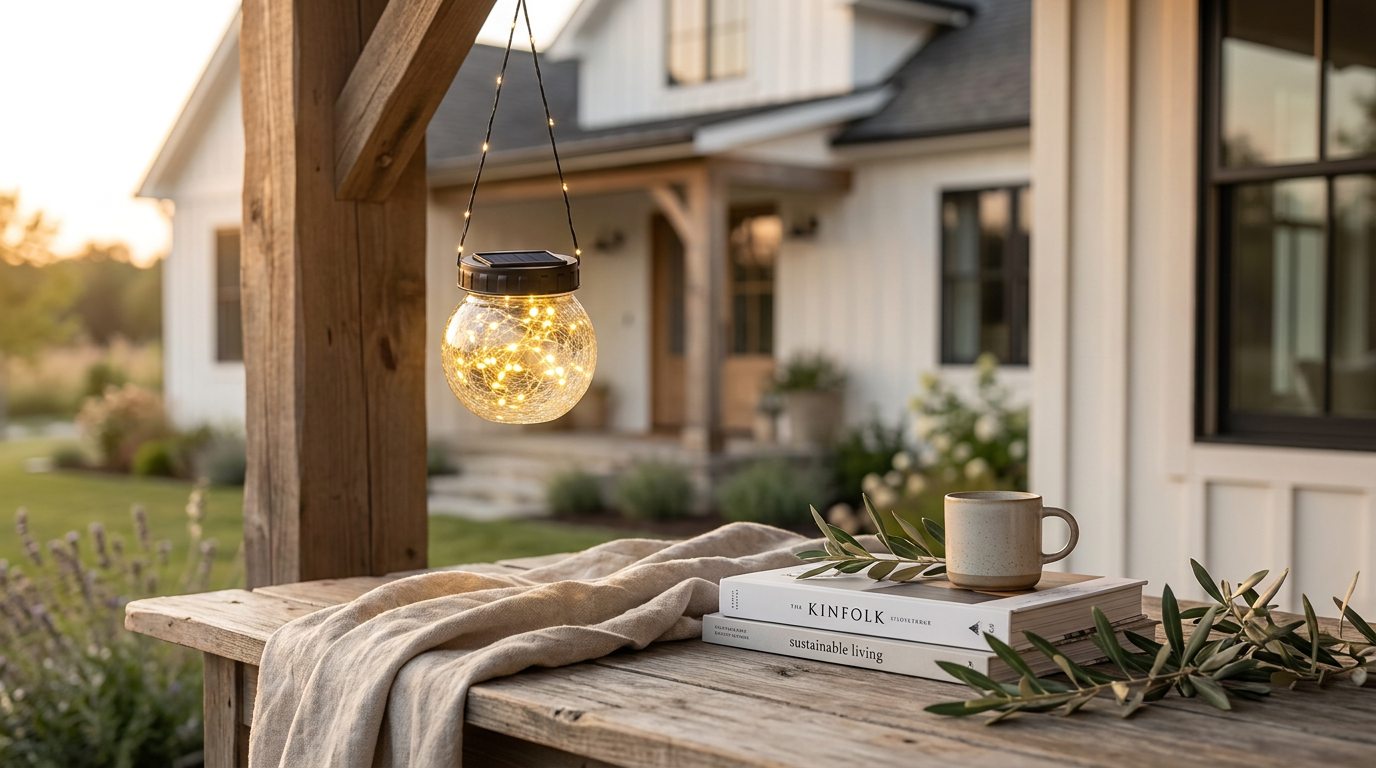
Solar Hanging Lantern Utility for Modern Farmhouse Porches
 Maya ChenContributing Editor
July 13, 2026. This analysis evaluates the technical and aesthetic viability of integrating a solar hanging lantern into high-traffic porch environments. It is written for homeowners seeking to balance residential architecture with renewable energy constraints.
The Efficiency Gap in Farmhouse Lighting
The conventional wisdom says that outdoor lighting requires hardwired high-voltage circuits to achieve the high-contrast aesthetic synonymous with modern farmhouse design. Critics of solar technology often point to the inconsistency of photovoltaic charging in shaded entryways, yet this ignores the significant advancements in polycrystalline cell efficiency. According to HGTV, specialized fixtures like the Jaxtyn Solar Lantern from West Elm demonstrate that a chic cylindrical form factor can successfully set the mood on a contemporary patio without the infrastructure costs of traditional electrical work. The problem remains that many consumers prioritize the "look" of a fixture while ignoring the mathematical reality of its energy harvest. A porch with a deep overhang may only receive four hours of direct sun, which is insufficient for lower-tier hardware.
Run the math: a standard LED requires a specific wattage to maintain a 3000K warm white temperature over an eight-hour period. If the solar panel surface area is too small, the light fails by midnight, rendering the security and aesthetic benefits of the installation moot. While some homeowners attempt to bypass this by using a hanging solar mason jar lights configuration for a rustic effect, these often lack the structural presence required for a primary porch focal point. The modern farmhouse aesthetic demands clean lines and substantial materials—typically matte black metals or brushed steel—which must house a battery large enough to sustain output during consecutive overcast days. Here's the part nobody talks about: the longevity of these systems is tied directly to the IP rating and the heat dissipation of the housing, not just the brightness of the bulb. Moving toward a more structured vintage solar hanging lantern can offer better weatherproofing, but the modern variant must prioritize a minimalist profile that doesn't sacrifice the solar collector's surface area.
Technical Integration of Solar Hanging Lantern Systems
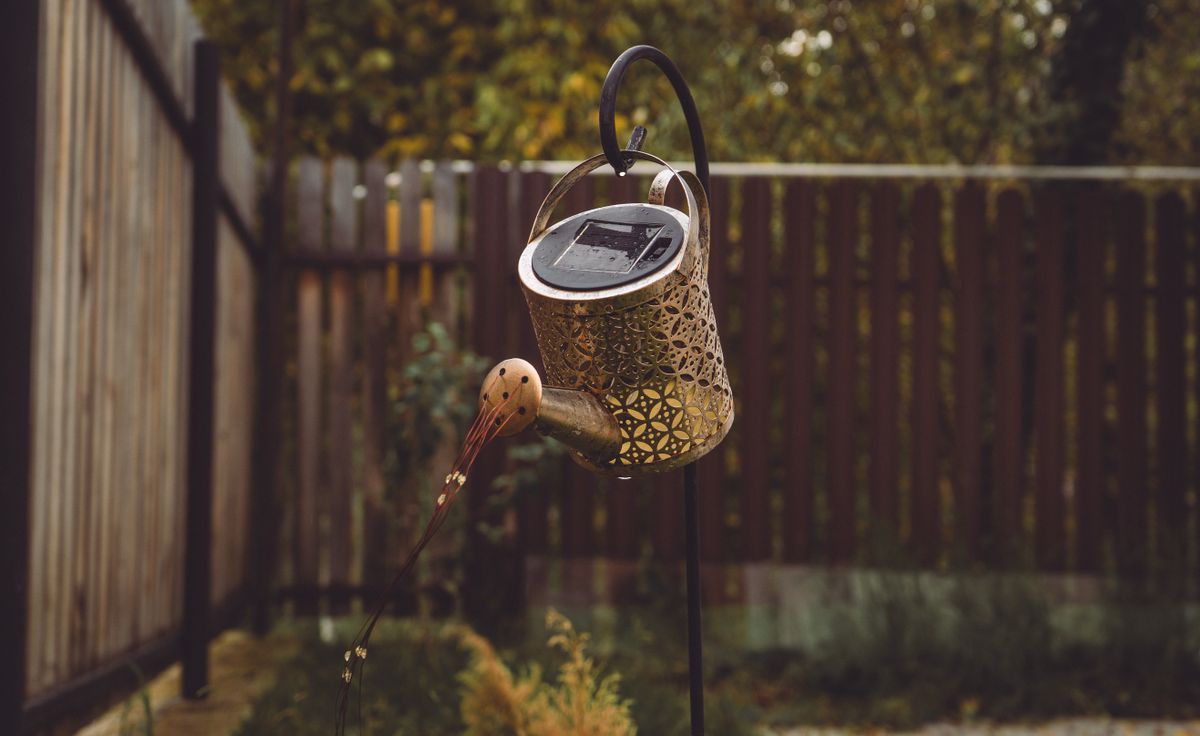
Photo by Gurgenidze G on Pexels
To meet the rigorous demands of a modern farmhouse exterior, the Solar Hanging Lantern must function as a reliable architectural element rather than a seasonal novelty. High-end models, such as those featured by Hunnicutt Outdoor Living, utilize a warm white LED solar light designed specifically for versatility in locations like garages and porches. These units are engineered to bridge the gap between decorative flair and functional illumination. In a farmhouse context, the placement of the lantern is often dictated by symmetry—flanking a front door or centered over a seating area. This creates a conflict with solar positioning. To solve this, advanced lanterns now feature detached or top-mounted panels with high-transparency glass to maximize photon capture even in suboptimal angles.
When evaluating a Solar Hanging Lantern, the focus must be on the material integrity of the frame. A lightweight plastic housing will warp under the UV exposure required to charge the internal cells. Conversely, a heavy iron frame, while aesthetically pleasing, requires reinforced mounting points. Many users find success by utilizing a solar lantern with shepherd hook for perimeter lighting, but for the porch itself, a fixed pendant or bracket mount is the standard. The integration of flickering LED technology, as seen in the Aloadecor minimalist decorative lanterns, provides a psychological mimicry of real flame that aligns with farmhouse warmth without the fire hazard of oil lamps. These units often retail between $68.00 and $185.00 USD, reflecting the build quality necessary for year-round outdoor exposure. The performance of these systems is not just about the light they emit, but how they manage the discharge cycle. A well-engineered lantern will include a charge controller that prevents the lithium-ion battery from deep-cycling, which significantly extends the lifespan of the fixture compared to generic alternatives.
A Framework for Porch Lighting Selection
Choosing a solar fixture for a permanent architectural role requires a more skeptical approach than buying path lights. The market is saturated with low-lumen decorative pieces that fail to provide actual visibility. To ensure a Solar Hanging Lantern meets the functional requirements of a modern farmhouse porch, homeowners should apply a specific technical checklist before purchase. This ensures the unit is not merely a daylight ornament but a functional evening tool.
- Panel Orientation: Confirm the top-mounted solar cell has an unobstructed view of the sky; avoid deep eaves that create more than 50% daily shade.
- Battery Capacity: Look for a minimum of 600mAh to 1200mAh for fixtures intended to run for more than six hours.
- Color Temperature: Ensure the LED is rated at 2700K to 3000K to maintain the "warm" farmhouse glow; anything higher than 4000K will appear clinical and blue.
- Housing Material: Prioritize powder-coated aluminum or treated steel over plastic to prevent thermal expansion and water ingress.
- Lumen Output: For a porch pendant, a minimum of 15-20 lumens is required for visibility; lower ratings are strictly for ambiance.
Shop Solar Hanging Lantern here.
Sources
Photo by Samuel Jerónimo on Pexels
- Outdoor Lantern - Aloadecor
- The Best Outdoor Solar Lanterns for Patios, Porches and Campsites
- Modern Farmhouse Solar Light Lantern - Hunnicutt Outdoor Living