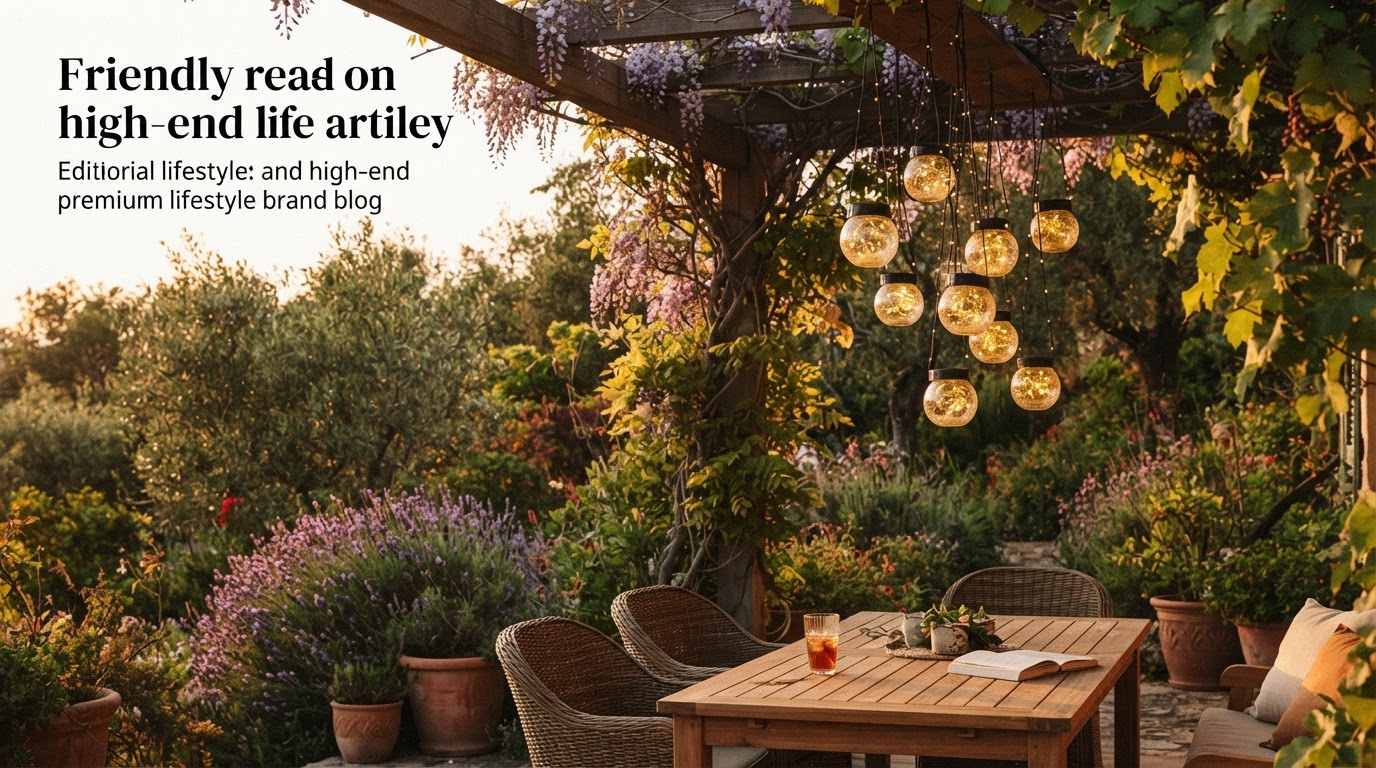
How do Solar Hanging Lantern models enhance garden design?
 Priya RamanSenior Analyst
September 7, 2026 — Solar Hanging Lantern fixtures enhance garden design by serving as dual-purpose focal points that provide ambient illumination without the infrastructure requirements of hardwired systems.
Landscape architects and homeowners frequently utilize these units to define vertical space and create visual rhythm in outdoor environments. Think of it as a matrix of two primary axes: material durability and light dispersion patterns. Once you see it this way, selecting the appropriate lantern becomes a matter of balancing daytime aesthetics with nighttime performance requirements.
Which materials define the Solar Hanging Lantern aesthetic?
The choice of material for a Solar Hanging Lantern dictates both its longevity and its integration into the existing landscape palette. Two axes matter here: structural weight and weather resistance. For example, Allsop Garden utilizes innovative materials like punched metal and outdoor-rated fabrics that are specifically built to live outdoors while providing unique shadow patterns. The decision rule is to match the material to the exposure level; metal housings offer superior wind resistance in open garden areas, while fabric or glass variants are better suited for sheltered porch environments. High-end designs often incorporate stainless steel or powder-coated aluminum to prevent corrosion, ensuring the lantern remains a decorative asset during daylight hours when the solar cell is recharging.
How does light dispersion affect garden atmosphere?
Light dispersion in decorative lanterns is determined by the opacity and perforation of the housing, which transforms a simple LED source into a complex visual texture. According to product specifications from Wind & Weather, solar lanterns can be strategically placed on branches or porch steps to cast specific shadows, such as those found in their purple flower design models. This creates a layered lighting effect that adds depth to a garden. When evaluating these fixtures, consider the lumen output relative to the housing design; a lantern with a high-density pattern will provide more localized, intricate shadows, whereas a clear glass model, such as those used in solar hanging lantern mason jar performance tests, offers broader, more functional illumination for paths or seating areas.
Quick answers
Q: Are decorative solar lanterns waterproof enough for year-round use? A: Most high-quality units carry an IP44 or IP65 rating, meaning they are protected against rain and splashing water. Brands like Plow & Hearth offer seasonal outdoor decor that is specifically rated for external home accents across various weather conditions.
Q: How long do Solar Hanging Lantern batteries typically last? A: A standard Ni-MH solar battery generally lasts between 1 to 2 years before the charge capacity diminishes significantly. Regular maintenance, such as cleaning the solar panel, ensures the unit reaches its maximum 8-hour nightly runtime.
Q: Can solar lanterns be used to create a specific design theme? A: Yes, they are central to achieving specific styles, such as using a boho outdoor solar hanging light to create a relaxed, eclectic atmosphere. By following a boho outdoor solar lighting how-to, users can layer different lantern heights to achieve a professional aesthetic.
Learn more about Solar Hanging Lantern at https://solarhanginglights.com.